Black Butterfly Design: A Practical Guide to Quality and Versatility
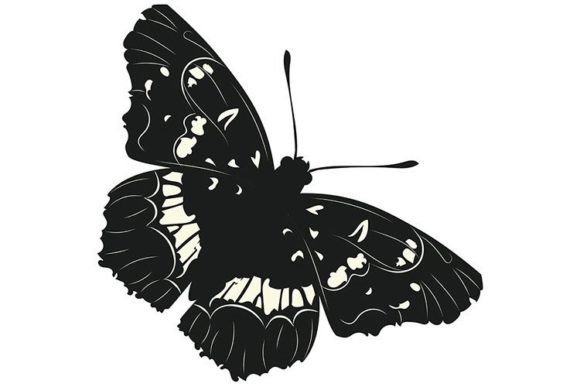
When you first encounter a black butterfly design, it often feels like more than just a simple graphic. It is a striking visual element that commands attention without shouting for it. The stark contrast of deep black against a clean white background creates an immediate sense of elegance and balance. Whether you are a seasoned graphic designer looking for a high-end asset or a small business owner trying to elevate your brand identity, understanding the nuances of this specific design style is crucial. However, not all downloads are created equal, and making the wrong choice can lead to frustrating results down the line.
The allure of a black butterfly design illustration on white lies in its adaptability. It works beautifully for wedding invitations, minimalist logos, book covers, and even modern home decor. Yet, many users overlook the technical specifications that determine whether an image will look crisp on a billboard or pixelated on a mobile screen. Before you click "download," it is essential to know what separates a professional-grade asset from a generic clipart file.
Understanding the Value of Vector vs. Raster Files
One of the most common pitfalls when acquiring digital assets is failing to distinguish between raster images and vector files. If you download a standard JPG file, you are limited by its resolution. While a high-resolution JPG might look fine at 300 DPI for print, scaling it up for large-format banners often results in jagged edges or blurriness. This limitation directly impacts the professionalism of your final project.
In contrast, the inclusion of editable EPS vector files changes everything. Vectors are mathematically defined, meaning they can be scaled to any size—from a tiny favicon to a massive storefront sign—without losing a single pixel of clarity. For professionals who need to manipulate colors, adjust stroke widths, or integrate the butterfly into complex layouts, vectors are non-negotiable. Without them, you are stuck with a static image that cannot evolve with your needs.
- Resolution Limits: Raster images (JPG) have fixed dimensions. Enlarging them degrades quality.
- Scalability: Vector files (EPS) remain sharp at any magnification level.
- Editability: Only vectors allow you to change shapes, curves, and individual elements easily.
Pitfalls in Color Management and Contrast
While the concept of a black-on-white design seems straightforward, there are subtle traps regarding color accuracy. A frequent mistake is assuming that "black" is always pure black (#000000). In some web-optimized graphics, designers use dark grays to reduce eye strain or save bandwidth. When these files are printed, the result can appear muddy rather than rich and solid.
Furthermore, relying solely on a flat image can limit your creative possibilities. If you purchase a design where the black is baked into a single layer, you cannot easily swap it for a gradient or a textured pattern later. True versatility comes from having access to the raw data within the EPS file. This allows you to experiment with different shades, apply textures, or blend the butterfly seamlessly with other design elements. Always verify that your chosen asset allows for these adjustments before committing to a purchase.
The Importance of Layer Organization
For those working in software like Adobe Illustrator or CorelDRAW, the organization of layers is critical. Poorly structured files can make editing a nightmare. You might find yourself tracing over existing paths instead of editing the original shapes, wasting hours of time. A well-prepared black butterfly design should have distinct layers for wings, body, antennae, and any decorative flourishes. This separation ensures that if you need to move one wing independently or delete a specific detail, the rest of the design remains intact. Checking the file structure before using it can save significant frustration during the production phase.
Legal and Licensing Considerations
Another area where creators often stumble is the licensing agreement. Just because you have the file does not mean you have the right to use it commercially. Many free or low-cost resources come with restrictive terms that prevent their use in merchandise, client work, or public advertising. If you plan to put a black butterfly design on t-shirts, mugs, or marketing materials, you must ensure you have a commercial license.
Conversely, paying for a premium bundle that includes 2 High resolution JPG images and 2 Editable EPS vector files usually grants broader usage rights. These bundles are typically designed for entrepreneurs and freelancers who need flexibility. Ignoring the fine print can lead to legal disputes or forced removal of your content. Always read the license terms carefully to confirm that your intended use case is covered. This step protects your reputation and your business from unnecessary risk.
Evaluating File Formats for Your Specific Needs
Selecting the right format depends entirely on your end goal. If you are a blogger needing a quick thumbnail for a blog post, the included high resolution JPG images are perfect. They are lightweight, universally compatible, and ready to upload to content management systems without further processing. However, if you are a printer or a packaging designer, those same JPGs might not suffice unless they meet specific CMYK requirements.
This is where the dual-format approach shines. Having both formats gives you the power to choose the best tool for the job. You can use the JPG for quick web previews and social media posts while keeping the EPS file as your master source for print production. This hybrid strategy maximizes efficiency and ensures consistency across all platforms. Don't settle for a single format unless you are certain of your workflow; versatility is key to avoiding future bottlenecks.
Practical Tips for Integration
To get the most out of your black butterfly design illustration on white, consider how it interacts with your existing brand palette. Even though the design is monochromatic, it sets a tone. Ensure that the weight of the lines matches the typography and other graphical elements in your layout. A delicate butterfly might look lost next to heavy, bold fonts, while a thick, blocky design could overwhelm a minimalist aesthetic. Test the design in various contexts before finalizing your project.
- Check Resolution: Ensure the JPG is at least 300 DPI for print projects.
- Verify Vector Compatibility: Confirm the EPS version is compatible with your design software.
- Review License Terms: Double-check permissions for commercial use and redistribution.
- Test Scalability: Zoom in on the vector file to ensure no hidden artifacts exist.
Making the Right Choice for Long-Term Success
Ultimately, investing in a high-quality asset pack is about more than just getting a pretty picture. It is about securing a resource that grows with you. A black butterfly design that offers both high-resolution rasters and editable vectors provides a foundation for creativity that is difficult to replicate with inferior files. By avoiding common mistakes related to file types, licensing, and integration, you ensure that your projects look polished and professional every time.
Take the time to evaluate what you need before you buy. Ask yourself if you require scalability, color customization, or broad usage rights. By focusing on these practical aspects, you avoid the disappointment of purchasing assets that don't fit your workflow. With the right tools, including 2 High resolution JPG images and 2 Editable EPS vector files, you empower yourself to create stunning visuals that stand the test of time. Whether you are designing for a hobby or a global brand, the details matter, and choosing wisely makes all the difference.