Blue Watercolor Stains
There is a specific kind of magic in the way watercolor behaves. Unlike digital vectors that snap perfectly into place, or solid fills that feel rigid and unyielding, watercolor has texture, depth, and a certain unpredictability that makes designs feel human. If you are looking to add that organic touch to your projects without spending hours painting from scratch, Blue Watercolor Stains offers a practical solution. This collection isn’t just about pretty colors; it’s about providing versatile, high-quality assets that save time while elevating the aesthetic quality of your work.
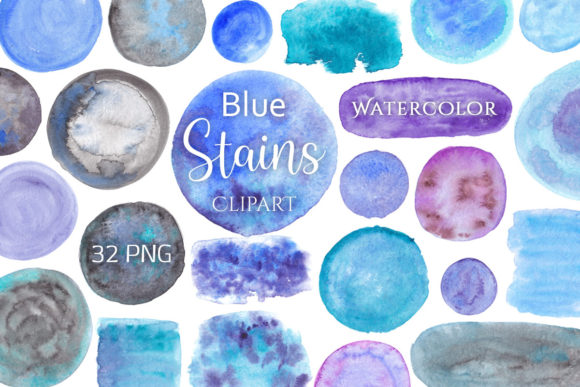
The product features 32 high-quality PNG elements on transparent backgrounds, ranging from round blobs to rectangular abstract shapes. These aren't just simple spots of paint; they are textured, realistic representations of blue watercolor stains. Whether you need a subtle backdrop for an Instagram story or a bold graphic element for a commercial poster, these files provide the foundation you need. With sizes up to 1500–1800 pixels, they offer enough resolution for most standard design needs, ensuring your graphics look crisp whether viewed on a mobile screen or printed as a small flyer.
Why Texture Matters in Digital Design
In a sea of flat, minimalist design, texture acts as a differentiator. It adds warmth and approachability. Blue, specifically, evokes feelings of calm, trust, and professionalism. When you combine the psychological impact of blue with the tactile feel of watercolor, you create visuals that are both soothing and engaging. This is particularly effective for brands in wellness, education, creative services, and lifestyle sectors.
Using pre-made watercolor elements allows you to bypass the technical difficulties of digital painting software. You don’t need to understand brush dynamics or layer blending modes. Instead, you get isolated, clean elements that drop right into your workflow. The transparency of the PNG format means you can place these stains over any background color or image without worrying about awkward white boxes or mismatched edges. They blend seamlessly, creating a custom look with minimal effort.
Practical Applications for Social Media
Social media is perhaps the most immediate use case for this collection. Platforms like Instagram, Pinterest, and TikTok rely heavily on visual hierarchy and aesthetic cohesion. Here is how you can apply Blue Watercolor Stains to boost your content strategy:
- Story Highlights: Create custom icons for your profile highlights. A soft blue stain behind a simple white icon (like a camera or heart) instantly draws the eye and maintains a cohesive brand palette. It looks more curated than using default platform icons.
- Cover Photos: Use larger rectangular or abstract shapes as background textures for your Facebook or LinkedIn cover images. Overlay your headline text in a clean, sans-serif font. The contrast between the rough, organic paint and the sharp typography creates a professional yet artistic balance.
- Quote Graphics: For bloggers and educators, sharing inspirational quotes is common. Place a quote in the center of the canvas and surround it with scattered blue watercolor dots and splashes. This frames the text naturally, guiding the viewer’s focus without overwhelming the message.
The key here is repetition and consistency. By using the same blue tones across multiple posts, you build brand recognition. Users start to associate that specific shade of cyan and sky blue with your voice, making your feed instantly identifiable in a crowded scroll.
Professional and Commercial Uses
Beyond social media, these elements serve robust functions in broader marketing materials. Small business owners and freelancers often struggle with limited budgets for custom illustration. This collection bridges that gap effectively.
Email Marketing: Your email header doesn’t have to be a boring solid color block. Insert a few subtle watercolor blots along the top or bottom edge of your newsletter template. It adds a splash of personality to your automated sequences, making your communication feel less robotic and more personal. This small detail can improve open rates by making your emails stand out in a subscriber’s inbox.
Product Packaging and Labels: If you sell physical goods, such as candles, skincare products, or artisanal foods, blue watercolor accents can suggest purity, freshness, and natural ingredients. Imagine a label for a lavender soap bar featuring a light blue watercolor frame. It communicates "handmade" and "gentle" before the customer even reads the ingredient list.
Event Invitations: Weddings, baby showers, and corporate retreats often benefit from elegant, fluid designs. Rectangular abstract shapes can serve as borders or anchors for invitation text. The transparency allows you to overlay these shapes onto photos of venues or guests, integrating the design elements directly into the imagery for a sophisticated, layered effect.
Customization: Cutting, Recoloring, and Creating New Shapes
One of the most powerful aspects of vector-like raster assets is their adaptability. While these are provided as PNGs, they are designed to be manipulated. Because they are isolated on transparent backgrounds, you can easily recolor them using tools like Canva, Photoshop, or even free online editors.
If your brand palette shifts from cool blues to warm corals, you can use the color replacement tool to transform these stains instantly. This extends the lifecycle of the product significantly. What started as a blue set can become part of a multi-colored seasonal campaign. Furthermore, you can cut these shapes. If you have a large circular blot but only need a corner accent, crop it down. Layer multiple smaller dots to create a gradient effect. This flexibility turns a static asset library into a dynamic design toolkit.
What to Consider Before Downloading
While Blue Watercolor Stains is a versatile resource, it is important to align its features with your specific needs. The collection includes 32 elements, which is a generous amount, but it may not cover every single shape you might imagine. However, because the shapes are abstract and organic, they tend to fit a wide variety of contexts where precise geometric symmetry isn't required.
Consider the resolution requirements of your final output. The files go up to 1500–1800 pixels. This is sufficient for web use, social media, and small-format print (like business cards or flyers). However, if you plan to print these on large banners or billboards, you may find the resolution lacking. Always check the preview JPEG (1200x800 pixels) to gauge the level of detail and texture clarity before committing to a purchase.
Additionally, think about your existing design ecosystem. Do you already have a strong brand color? If your brand is strictly red and black, blue stains might clash unless used very subtly as a neutral texture. Ensure the blue tones complement your current palette rather than competing with it. The beauty of these stains lies in their ability to act as a supporting actor, not necessarily the lead.
Final Thoughts on Creative Efficiency
In the world of content creation, time is your most valuable currency. Spending days learning to paint realistic watercolor effects digitally is a noble pursuit, but it is rarely practical for meeting tight deadlines. Blue Watercolor Stains offers a middle ground: the look of hand-painted art with the efficiency of digital stock assets.
Whether you are a marketer crafting a campaign, a teacher designing educational worksheets, or a hobbyist scrapbooking memories, these elements provide a quick path to a polished result. They allow you to focus on the message and the strategy, leaving the aesthetic heavy-lifting to well-designed, reusable components. By integrating these blue watercolor textures into your workflow, you not only save time but also inject a sense of creativity and humanity into your digital presence.