Blush Pink Rose Gold Glam Lips Clip Art
In the landscape of digital design and personal branding, visual assets are not merely decorative; they are functional components of communication. When you are crafting invitations, designing social media graphics, or assembling a scrapbook, the choice of imagery dictates the tone and professionalism of the final output. This is where Blush Pink Rose Gold Glam Lips Clip Art enters the workflow as a specialized tool for elevating aesthetic appeal without requiring advanced graphic design skills.
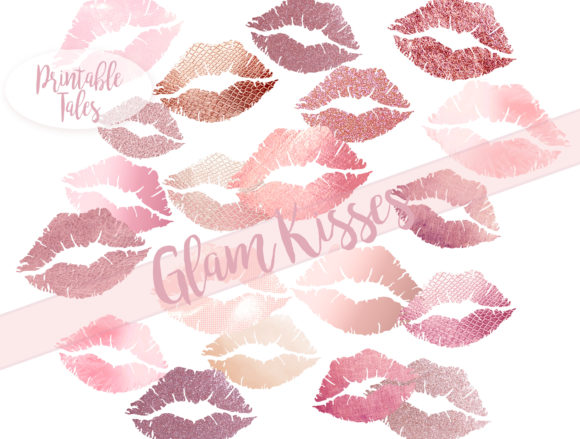
The specific collection described—featuring 20 distinct "Glam Kisses" rendered in high-resolution PNG files—offers a precise solution for creators who need consistency, quality, and thematic cohesion. These assets, ranging from soft blush pinks to deeper purples and metallic rose golds, are designed to integrate seamlessly into various projects. Understanding how to utilize these clip art elements effectively requires looking beyond their visual beauty and examining their technical specifications and practical applications in a production environment.
Technical Specifications and Quality Control
Before integrating any digital asset into a project, verifying its technical integrity is the first step in ensuring a smooth workflow. The clip art set provided consists of separated PNG files, each approximately 3 inches wide with dimensions of roughly 900 x 580 pixels. Crucially, these files are set at 300 PPI (pixels per inch). This resolution standard is non-negotiable for print-ready materials. Whether you are producing wedding invitations, birthday cards, or promotional flyers, low-resolution images result in pixelation and blurry edges, which immediately degrade the perceived value of your work.
The use of PNG format further enhances usability. Unlike JPEGs, PNGs support transparency. This means that when you place a lip illustration onto a background, there is no unsightly white box surrounding it. The image blends naturally with whatever color or texture lies beneath it. For designers working in software like Adobe Illustrator, Canva, or Photoshop, this transparency is essential for layering and composition. It allows for greater flexibility in layout, enabling you to position the lips over textured papers, gradients, or photographs without manual masking or complex editing.
While the files are optimized for high-quality printing at their native size, the vector-like clarity of high-PPI raster images allows for downsizing without loss of detail. If a project requires smaller icons or subtle accents, you can reduce the scale confidently. However, scaling up beyond the original dimensions is generally discouraged, as it may introduce artifacts. Therefore, planning your layout around the 3-inch width ensures optimal fidelity.
Workflow Integration: From Concept to Completion
Integrating these clip art elements into a project involves more than simply dragging and dropping an image. It requires a strategic approach to maintain consistency and efficiency throughout the creative process. Here is how these assets fit into different stages of a typical design or organizational workflow.
Pre-Production Planning
During the planning phase, define the color palette and theme of your project. The Blush Pink Rose Gold Glam Lips Clip Art collection offers a spectrum from light blush to rich purple. If your project has a strict brand guideline or a specific mood board, select the variations that align with those constraints early on. For instance, a romantic Valentine’s Day campaign might benefit from the deeper purples and intense rose golds, while a spring-themed baby shower invitation might call for the softer blush tones.
Organize your asset library by categorizing these files. Create folders labeled by color intensity or texture type. This organizational habit saves time during the execution phase, allowing you to quickly locate the exact variation needed without sifting through dozens of similar-looking images. Consistency in file naming conventions also aids in long-term usability, making it easier to retrieve these assets for future projects.
Execution and Design
When you begin designing, consider the hierarchy of information. The lips are decorative elements, meaning they should complement the text and primary graphics rather than compete with them. Use them as focal points on cover pages or as subtle repeating patterns in the background.
- Invitations and Cards: Place a single, large lip illustration centered below the header text to create a sense of elegance. The rose gold texture adds a tactile quality to digital designs, simulating the look of foil stamping.
- Social Media Graphics: Use smaller variations of the lips as corner accents or watermarks. Their transparent backgrounds allow them to overlay photos of products or events without obscuring important details.
- Scrapbooking: In digital scrapbooking, layer multiple lip illustrations with varying opacities to create depth. Combine them with journaling boxes or date stamps to frame memories effectively.
For physical production, ensure your printer settings match the 300 PPI requirement. Most professional printing services accept PNG files, but always confirm compatibility. If you are using home printing equipment, test a single page to check color accuracy, as screens often display colors differently than printed paper.
Post-Production and Asset Management
After completing a project, archive the used assets appropriately. If you have customized any of the lips (e.g., adding shadows or adjusting hue), save those modified versions separately to preserve the original files. This practice ensures that you always have access to pristine, unaltered versions for future use. Over time, building a personal library of high-quality, themed clip art reduces the need to search for new resources, thereby increasing overall productivity.
Strategic Use Cases and Audience Appeal
The versatility of these clip art pieces makes them suitable for a diverse range of users and industries. For entrepreneurs and small business owners, particularly those in the beauty, fashion, or event planning sectors, these visuals communicate luxury and attention to detail. A boutique skincare brand might use the rose gold lips in email newsletters to highlight product launches, leveraging the association between glamorous lips and self-care.
Educators and bloggers can also benefit from these assets. Teachers creating classroom decorations or reward certificates can use the playful yet elegant design to engage students. Bloggers writing about lifestyle, romance, or beauty trends can enhance their posts with visually appealing headers or pull quotes framed by these illustrations.
Furthermore, the "Glam Kisses" theme lends itself well to seasonal marketing campaigns. Beyond Valentine’s Day, these assets can be adapted for anniversaries, bridal showers, and Mother’s Day. By rotating the color choices—using pink for spring, red for winter holidays, or purple for Halloween-themed events—you can extend the lifespan of these digital assets across multiple years and occasions.
Maximizing Value Through Texture and Color
One of the standout features of this collection is the variety of textures. The lips are not flat colors; they simulate metallic finishes, matte powders, and glossy stains. This textural diversity allows for sophisticated design compositions. For example, pairing a metallic rose gold lip with a soft, pastel background creates a striking contrast that draws the eye. Conversely, using a matte blush lip against a dark, moody background can evoke intimacy and sophistication.
Understanding how these textures interact with other design elements is key. Avoid placing highly detailed textures next to busy backgrounds, as this can create visual clutter. Instead, use solid or subtly patterned backgrounds to let the intricate details of the lips shine. This principle of negative space and focus applies whether you are designing a simple greeting card or a complex multi-page brochure.
Conclusion on Practical Implementation
The Blush Pink Rose Gold Glam Lips Clip Art set is more than just a bundle of images; it is a toolkit for enhancing visual communication. By adhering to best practices in file management, respecting technical specifications like 300 PPI and PNG transparency, and strategically applying these assets within your workflow, you can produce professional-grade results efficiently. Whether you are a seasoned designer or a hobbyist creator, integrating these high-quality, versatile graphics into your projects will add a touch of glamour and polish that resonates with your audience. Focus on consistency, plan your color schemes carefully, and leverage the unique textures to make every piece of content stand out.