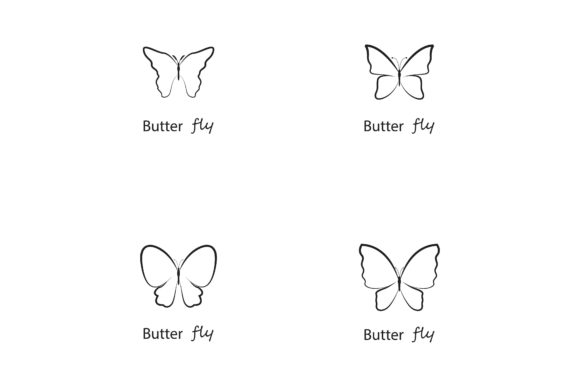
Buterrfly Logo: Strategic Branding and Visual Identity
In the landscape of modern branding, visual identity serves as the primary interface between a business and its audience. The Buterrfly Logo represents more than just an aesthetic choice; it is a strategic asset that communicates transformation, elegance, and natural beauty. For entrepreneurs, marketers, and creative professionals, understanding the nuanced application of this symbol is essential for building a brand that resonates with depth and intentionality. Whether you are launching a wellness startup, a luxury fashion line, or a corporate entity focused on growth, the decision to incorporate butterfly imagery requires careful consideration of context, industry alignment, and long-term brand equity.
The Symbolism of Metamorphosis in Business Strategy
At its core, the butterfly is a universal symbol of metamorphosis. In nature, the process of changing from a caterpillar to a winged insect signifies profound change, rebirth, and potential. When applied to a business logo, this imagery suggests a company that facilitates positive transformation for its clients. This makes the Buterrfly Logo particularly potent in industries where personal development, health, and renewal are central themes.
For businesses in the healthcare, wellness, and meditation sectors, the butterfly conveys a message of healing and balance. It aligns seamlessly with services such as yoga studios, spas, chiropractic clinics, and holistic therapy centers. The visual language here is one of grace and freedom, suggesting that the client will emerge from their experience lighter, healthier, and more at peace. However, this symbolism extends beyond physical health. In the realm of education and coaching, the butterfly represents intellectual growth and the shedding of old limitations. A consulting firm or an educational platform might use a stylized butterfly to illustrate the journey from confusion to clarity.
Strategic planners must recognize that the metaphor of metamorphosis is powerful because it implies a journey. A brand using this icon is not just selling a product; it is promising a result—a transition. This narrative arc can be leveraged in marketing materials, from website headers to social media campaigns, to create a cohesive story of improvement and evolution.
Aesthetic Versatility and Design Considerations
The Buterrfly Logo is remarkably versatile, capable of adapting to various design styles while maintaining its core identity. Its structure allows for infinite variation through line weight, color palette, and stylization. Understanding these variables is crucial for ensuring the logo fits the specific tone of your brand.
Minimalist and Modern Approaches
In today’s digital-first environment, simplicity often equates to professionalism. A minimalist butterfly logo utilizes clean lines and negative space to create a memorable mark. This approach is ideal for tech startups, corporate identities, and modern boutiques. By reducing the butterfly to its essential geometric shapes, the logo becomes scalable and legible across different mediums, from mobile app icons to large-scale billboards. The use of single continuous line techniques can further enhance this modern feel, suggesting connectivity and fluidity—attributes highly valued in networking and communication industries.
Elegant and Luxurious Interpretations
Conversely, the butterfly can be rendered in a way that exudes opulence and sophistication. Using gold, silver, or violet hues, combined with intricate detailing or floral elements, creates a sense of premium quality. This style is well-suited for high-end cosmetics, wedding planning, luxury jewelry, and fashion labels. Here, the butterfly acts as an emblem of beauty and exclusivity. The wings may be adorned with patterns reminiscent of silk or lace, reinforcing the tactile experience of luxury products.
Natural and Organic Styles
For brands rooted in eco-friendly practices, organic skincare, or nature-inspired lifestyles, a hand-drawn or sketch-style butterfly logo can effectively communicate authenticity. Rough edges, watercolor textures, and earthy tones suggest a connection to the natural world. This approach appeals to consumers who value transparency and sustainability. It signals that the brand is grounded, honest, and respectful of its environmental impact.
Industry-Specific Applications and Positioning
Selecting the right visual element requires aligning the logo’s aesthetic with the target audience’s expectations. Below are practical examples of how the Buterrfly Logo can be positioned across different sectors.
- Beauty and Cosmetics: A soft pink or peach butterfly logo works well for makeup brands, emphasizing femininity and delicate care. It suggests that the products are gentle yet transformative, enhancing natural beauty without masking it.
- Financial Services and Growth: While less common, a sleek, abstract butterfly can represent financial freedom and smart growth. In this context, the wings symbolize upward mobility and the ability to navigate complex markets with grace. A blue or grey color scheme reinforces trust and stability.
- Hospitality and Travel: Hotels, resorts, and travel agencies can use the butterfly to evoke feelings of escape and relaxation. The imagery pairs naturally with concepts of vacation, exotic destinations, and unwinding. A vibrant, colorful butterfly can suggest excitement and adventure, appealing to younger travelers.
- Non-Profits and Community Organizations: For groups focused on mental health awareness, animal welfare, or community support, the butterfly serves as a beacon of hope. It represents resilience and the power of collective action to effect change. A simple, outline-based design ensures accessibility and broad appeal.
Risks and Strategic Pitfalls
Despite its widespread appeal, the Buterrfly Logo carries inherent risks if not executed with strategic intent. Because the motif is popular, there is a danger of appearing generic or clichéd. Many businesses fall into the trap of using stock illustrations that lack originality, resulting in a brand identity that blends into the background rather than standing out.
To avoid this, designers must prioritize uniqueness and customization. A generic butterfly silhouette may fail to convey a distinct brand voice. Instead, consider integrating unique elements that reflect the company’s specific values. For instance, a tech company might combine butterfly wings with circuit board patterns, while a literary magazine might incorporate text within the wing shapes. This level of customization ensures that the logo remains relevant and distinctive.
Another risk is misalignment with the brand’s actual offerings. If a company uses a butterfly logo but fails to deliver on the promise of transformation or beauty, customers may perceive the branding as misleading. Authenticity is key; the visual identity must accurately reflect the customer experience. If the service is rugged, industrial, or purely transactional, a delicate butterfly may create cognitive dissonance, confusing potential clients about what the brand truly represents.
Implementation and Long-Term Value
Once the Buterrfly Logo has been designed and selected, its effective implementation is critical for maximizing its impact. Consistency across all touchpoints—from business cards and websites to packaging and social media profiles—builds recognition and trust. Ensure that the logo maintains its integrity when scaled down to favicon size or enlarged for event banners.
Consider the color psychology associated with your chosen palette. Green suggests growth and eco-friendliness, purple implies wisdom and luxury, and orange conveys energy and creativity. These colors should complement the overall brand strategy and resonate with the target demographic. Additionally, pair the logo with complementary typography that enhances readability and reinforces the brand’s personality. A serif font might add a touch of classic elegance, while a sans-serif font could emphasize modernity and clarity.
Finally, view the logo not as a static image but as a dynamic element of your brand ecosystem. Use it creatively in marketing campaigns, seasonal promotions, and product launches. For example, a spa might introduce a limited-edition packaging design featuring a golden butterfly during the spring season, tying the visual element to themes of renewal and freshness. This flexibility allows the Buterrfly Logo to remain fresh and engaging over time, contributing to sustained brand loyalty and recognition.
In conclusion, the Buterrfly Logo is a powerful tool for brands seeking to communicate transformation, beauty, and elegance. By understanding its symbolic weight, exploring diverse design styles, and implementing it with strategic precision, businesses can create a visual identity that not only attracts attention but also fosters deep connections with their audience. Whether used in a minimalist form or an elaborate illustration, the butterfly offers endless possibilities for creative expression and meaningful storytelling.