Buttterfly Logo: A Guide to Elegant Brand Identity
In the crowded landscape of modern branding, few symbols carry as much inherent weight and visual appeal as the butterfly. It is a universal emblem of transformation, freedom, and delicate beauty. When you seek a butterfly logo, you are not just selecting an icon; you are choosing a narrative about growth, elegance, and metamorphosis. Whether you are launching a boutique skincare line, a wellness studio, or a creative agency, the right design can communicate your brand’s core values before a single word is read.
The term "Buttterfly Logo" often refers to a specific aesthetic direction—one that blends classic symbolism with contemporary design principles. This approach allows businesses to stand out by using a familiar shape in a unique, stylized way. From minimalist line art to complex geometric abstractions, the versatility of this symbol makes it a favorite among designers and entrepreneurs alike. Understanding how to leverage this imagery effectively can significantly enhance your brand’s visual identity.
Why the Butterfly Resonates in Modern Design
The butterfly is more than just an insect; it is a powerful metaphor for change. For brands focused on personal development, health, or renewal, this association is invaluable. A butterfly vector design can subtly suggest that your product or service helps clients transform their lives. This is particularly effective in industries like skincare, where the promise of rejuvenation is central, or in wellness sectors such as yoga and pilates, which emphasize balance and inner peace.
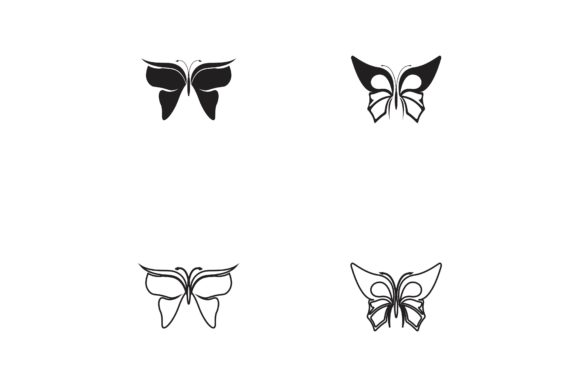
Visually, the butterfly offers a perfect balance of symmetry and organic flow. Its wings provide a natural canvas for incorporating other elements, such as flowers, leaves, or abstract patterns. This flexibility allows for a wide range of interpretations. You might opt for a continuous line drawing to convey simplicity and fluidity, or choose a polygonal style to suggest precision and modern technology. The choice depends entirely on the personality you wish to project.
Simplicity and Minimalism
One of the most popular trends in current logo design is minimalism. A simple butterfly logo often relies on clean lines and negative space to create impact. This style is highly effective because it is easily recognizable at small sizes, such as on social media avatars or mobile app icons. A single-line butterfly design, for instance, suggests sophistication and ease. It implies that your business is streamlined and efficient, without unnecessary complexity. This approach works well for modern companies aiming for a premium, high-end look.
Color Psychology and Emotional Impact
Color plays a crucial role in how a butterfly logo is perceived. While black and white designs exude classic elegance and timelessness, color can evoke specific emotions. A gold logo featuring a butterfly immediately signals luxury and exclusivity, making it ideal for high-end fashion boutiques or premium cosmetic brands. On the other hand, soft pink or pastel tones can convey tenderness, femininity, and care, which are excellent attributes for baby products, floral arrangements, or gentle skincare routines. Vibrant, multicolor butterflies can represent creativity, diversity, and energy, appealing to younger audiences or artistic ventures.
Practical Applications Across Industries
The adaptability of the butterfly motif means it can be tailored to fit almost any industry, provided the execution aligns with the brand’s message. Here is how different sectors can benefit from incorporating this symbol into their visual identity.
- Beauty and Cosmetics: For brands selling makeup, hair care, or dermatological products, a butterfly logo suggests refinement and attention to detail. A floral variation, where the wings blend into petals, reinforces the idea of natural ingredients and botanical beauty. This is particularly effective for organic or eco-friendly cosmetic lines.
- Wellness and Health: In the realm of mental health, nutrition, and fitness, the butterfly represents personal growth and healing. A geometric or abstract butterfly can symbolize the structured path to wellness, while a wave-like design might suggest relaxation and flow. These logos work beautifully for spas, meditation apps, and holistic therapy practices.
- Fashion and Accessories: Luxury fashion houses often use the butterfly to denote grace and allure. A silhouette style, perhaps in black or white, creates a striking contrast that looks stunning on packaging, tags, and store fronts. It adds a touch of glamour and femininity that resonates with target consumers.
- Creative Services: Designers, photographers, and artists may choose a hand-drawn or illustrative butterfly to showcase their artistic flair. This approach highlights creativity and individuality, setting the freelancer apart from more corporate competitors.
Design Elements That Define Quality
When evaluating or creating a butterfly icon, several key elements determine its success. The first is scalability. A good logo must remain clear and legible whether it is printed on a large banner or shrunk down to a favicon. This is why vector graphics are preferred over raster images; they can be resized infinitely without losing quality. Ensure that the details, such as the veins in the wings or the curve of the body, are distinct enough to hold up at smaller scales.
Another critical factor is uniqueness. With the butterfly being a common motif, it is easy for designs to become generic. To avoid this, consider integrating unique features. Perhaps the wings form a hidden letter, like a "B" for a brand starting with that initial. Or maybe the design incorporates a triangular or poly shape to add a structural twist. These subtle variations help your logo stand out in a sea of similar symbols.
Consider the context of usage as well. Will the logo appear primarily on digital screens or in print? If print is a priority, ensure the colors are optimized for CMYK printing, especially if you plan to use metallic inks like gold foil. For digital use, an SVG format with a transparent background ensures seamless integration across various websites and applications.
Common Pitfalls to Avoid
While the butterfly is a versatile symbol, it is not without its challenges. One common mistake is overcrowding the design. Adding too many elements, such as excessive text, intricate backgrounds, or multiple colors, can dilute the impact of the logo. Remember that simplicity often leads to greater memorability. Let the shape of the butterfly speak for itself.
Another consideration is cultural sensitivity. While generally positive, the butterfly can have different meanings in various cultures. In some contexts, it is associated with souls or spirits. It is wise to research your target audience to ensure the symbol aligns with their expectations and values. Additionally, avoid clichés unless you are intentionally playing with them. A overly detailed, realistic butterfly might feel outdated compared to a sleek, abstract interpretation.
Choosing the Right Style for Your Goals
Ultimately, the best butterfly logo is one that authentically represents your brand’s story. Are you aiming for a luxury feel? Opt for thin lines, gold accents, and ample white space. Do you want to appear friendly and approachable? Consider softer curves, warm colors, and playful illustrations. For a tech-forward image, explore low-poly styles or sharp, angular wings.
It is also important to think about longevity. Trends come and go, but a well-designed logo should remain relevant for years. A classic design with a modern twist tends to age better than something that is overly trendy. Focus on strong fundamentals: balance, proportion, and clarity. These elements will ensure your logo remains effective as your business grows and evolves.
Conclusion
A butterfly logo offers a powerful way to communicate transformation, beauty, and elegance. By carefully considering the style, color, and context, you can create a visual identity that resonates with your audience and supports your business goals. Whether you choose a minimalist line art approach or a vibrant, decorative emblem, the key is to ensure it feels unique and true to your brand. Take the time to explore different variations, seek feedback, and refine your design until it perfectly captures the essence of what you offer. In doing so, you invest in a lasting asset that will serve as the cornerstone of your brand’s presence for years to come.