Reimagining the Vintage Stencil: From Static Art to Digital Flexibility
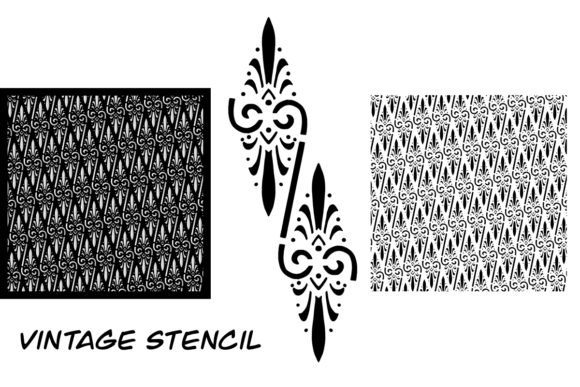
The concept of a vintage stencil has long been associated with physical limitations. Historically, these designs were cut from cardstock, metal, or plastic, bound by the rigidity of the material and the precision of the cutting tool. Once created, a vintage stencil was a single-use asset in many contexts, or one that required significant effort to modify for new projects. However, the digital age has fundamentally altered this landscape. By taking a classic, historically inspired pattern and digitally redrawing it into a decorative stencil design, creators unlock a level of versatility that traditional methods simply cannot match.
This transition from analog to digital is not merely about convenience; it represents a shift in creative workflow. When you acquire a vintage stencil file in modern formats like PNG and SVG, you are not just buying an image; you are acquiring a malleable asset. The ability to resize, rotate, and reposition the basic pattern at will allows professionals and hobbyists alike to adapt a single design to fit diverse applications, from large-scale murals to intricate branding elements.
The Core Value of Digitally Redrawn Decorative Patterns
At its heart, the value of a digitally redrawn decorative stencil lies in its scalability without loss of fidelity. Traditional stencils often suffer from "aliasing" or pixelation when enlarged beyond their original dimensions. In contrast, vector-based files allow for infinite scaling. This characteristic is crucial for entrepreneurs and marketers who need consistent visual assets across different mediums, such as small social media graphics and large-format banners.
A well-executed digital version of a vintage stencil preserves the aesthetic charm of the original era while eliminating the structural weaknesses of physical cuts. The lines remain crisp, the negative spaces are clean, and the overall composition retains its intended character. This ensures that the final output looks professional, regardless of whether it is printed on fabric, etched onto glass, or projected onto a wall.
Furthermore, the process of redrawing these patterns digitally offers a unique opportunity for refinement. Creators can correct minor imperfections found in historical artifacts, ensuring that the symmetry and flow of the design meet modern standards of quality. This attention to detail results in a product that feels authentic yet polished, bridging the gap between nostalgic appeal and contemporary utility.
Technical Advantages of PNG and SVG Formats
Understanding the difference between PNG and SVG files is essential for maximizing the utility of any vintage stencil collection. These two formats serve distinct purposes, and knowing when to use each can significantly impact your project's success.
- SVG (Scalable Vector Graphics): This format is ideal for editing and resizing. Because SVGs are based on mathematical paths rather than pixels, they can be manipulated in software like Adobe Illustrator or Inkscape. You can change colors, adjust stroke widths, or isolate specific parts of the pattern without degrading the image quality. For professionals creating custom signage or preparing files for laser cutting, the SVG format is the gold standard.
- PNG (Portable Network Graphics): While PNGs are raster images, they support transparency, which is vital for stencil work. A transparent background allows you to layer the design over any texture or color instantly. PNGs are particularly useful for quick mockups, web usage, or when sending files to printers who may not have access to vector editing software.
The combination of both formats provides a comprehensive toolkit. Having the SVG allows for deep customization, while the PNG ensures immediate compatibility and ease of use in various digital environments.
Practical Applications and Workflow Integration
The flexibility of these digital assets extends far beyond simple printing. One of the most practical applications is the creation of custom stencils for DIY enthusiasts and small business owners. By utilizing the basic pattern provided in the digital file, users can arrange the elements in endless configurations. This capability transforms a static design into a dynamic tool for personalization.
For instance, a graphic designer working on a wedding invitation suite might use a vintage stencil pattern to create a border that frames the text. Because the design is digital, they can stretch the pattern horizontally to fit a wide envelope or compress it vertically for a narrow card. They can also duplicate the motif to create a repeating background that adds depth without overwhelming the typography.
In the realm of interior design and home decor, the possibilities are equally expansive. A homeowner looking to add character to a room might use the pattern to create a temporary accent wall. Instead of committing to a permanent mural, they can print the stencil on removable vinyl, apply it to the wall, paint over it, and then remove the stencil to reveal the design. The ability to resize the pattern means the same design can cover a small feature wall or a massive expanse of drywall seamlessly.
Marketers and content creators also find value in this approach. A brand seeking a retro aesthetic for a campaign can integrate the vintage stencil look into their visual identity. The consistency of the digital file ensures that every piece of collateral, from email headers to billboard ads, maintains a cohesive style. This reliability is critical for building trust and recognition among audiences.
Optimizing Quality and Consistency
When evaluating any creative resource, consistency is paramount. A common issue with free or low-quality clip art is the variation in line weight and spacing. High-quality digital redrawing addresses this by enforcing strict geometric rules. Every curve, loop, and intersection is calculated to ensure uniformity throughout the entire pattern.
This consistency translates directly to better end results. Whether you are screen printing t-shirts or cutting shapes out of wood, the precision of the source file determines the quality of the final product. A reliable vintage stencil file minimizes errors during production, saving time and reducing waste. For businesses operating on tight margins, this efficiency is a significant advantage.
Additionally, the presentation of the design matters. A well-organized file structure, clear naming conventions, and proper layer separation make the asset easy to navigate. This usability factor is often overlooked but plays a major role in how quickly a creator can integrate the design into their workflow. Professional-grade assets should facilitate speed and creativity, not hinder them.
Evaluating Suitability for Different Audiences
Who benefits most from accessing high-quality, digitally redrawn vintage stencil designs? The answer spans a wide spectrum of industries and skill levels.
Freelancers and Agency Professionals: For those juggling multiple clients, having a library of versatile assets is a strategic advantage. The ability to quickly adapt a design to fit a client's specific needs without starting from scratch can improve turnaround times and profitability. The vintage stencil offers a timeless aesthetic that appeals to a broad demographic, making it a safe yet stylish choice for various projects.
Educators and Hobbyists: Teachers looking to engage students in art history or design classes can use these digital files to demonstrate the evolution of artistic techniques. Hobbyists involved in crafting, scrapbooking, or home improvement projects appreciate the ease of use. The option to resize and place the pattern in many ways empowers individuals to create unique, custom items that reflect their personal style.
Serious Creators and Artists: Even experienced artists find value in these resources. Rather than reinventing the wheel, they can use the vintage stencil as a foundation for their own interpretations. The digital format allows them to experiment with scale and composition in ways that would be difficult or impossible with physical materials.
Realistic Considerations and Limitations
While the advantages are substantial, it is important to maintain a balanced perspective. Digital files are tools, not magic solutions. The success of a project still depends on the skill of the user and the quality of the execution. A poorly designed file, even if labeled as "vintage," will produce subpar results. Therefore, due diligence in selecting high-quality sources is necessary.
Another consideration is the learning curve associated with vector software. While PNG files are accessible to everyone, fully leveraging the potential of SVG files requires familiarity with design tools like Adobe Illustrator, CorelDRAW, or open-source alternatives. Users must be willing to invest time in learning these skills to maximize the return on their investment.
Finally, copyright and licensing terms should always be reviewed. Some assets are restricted to personal use only, while others allow for commercial application. Understanding these distinctions protects creators from legal issues and ensures ethical use of intellectual property.
Conclusion: A Strategic Asset for Modern Creativity
The evolution of the vintage stencil from a physical object to a digital asset represents a significant leap forward in creative technology. It combines the aesthetic warmth of the past with the functional power of the present. By offering formats like PNG and SVG, these designs provide the flexibility needed to adapt to a rapidly changing market.
Whether you are a marketer crafting a campaign, an educator inspiring students, or a hobbyist decorating a home, the ability to resize and rearrange a decorative stencil design opens up new avenues for expression. The key lies in recognizing the value of quality, understanding the technical nuances of file formats, and applying these assets with intention. In doing so, you transform a simple pattern into a powerful component of your visual language, capable of standing the test of time just like the originals that inspired them.