Revitalizing Design Projects with Decor Leaves: The Power of Natural Foliage in Digital Art
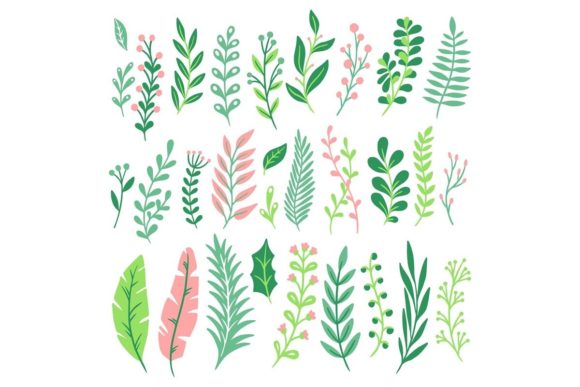
In the world of graphic design, interior styling, and digital illustration, few elements are as versatile or enduring as greenery. Whether you are crafting a serene wellness brand identity, designing an eco-friendly packaging layout, or creating a whimsical children’s book, the inclusion of Decor Leaves can transform a flat composition into something that breathes life and organic warmth. Among the most sought-after assets for these projects are high-quality vector sets featuring green plant leaves, ferns greenery, and floral natural fern leaves. These resources allow designers to harness the aesthetic appeal of nature without the logistical headaches of sourcing physical props.
The Aesthetic Appeal of Monstera and Palm Foliage
When we talk about modern decorative foliage, two plants immediately come to mind: the Monstera Deliciosa and various species of Palm. These plants have transcended their status as mere houseplants to become iconic symbols of tropical luxury, biophilic design, and botanical elegance. A vintage decorative monstera and palm foliage leaf set offers a unique blend of nostalgia and contemporary style. The large, split leaves of the Monstera provide bold structural elements that can anchor a design, while the feathery fronds of ferns and the sweeping arches of palm leaves add movement and texture.
Using isolated vector icons of these plants allows for precise control over color palettes and placement. Unlike photographs, which can suffer from inconsistent lighting or distracting backgrounds, vector-based decor leaves can be scaled infinitely without losing resolution. This means a small accent leaf can be placed delicately on a business card, while a massive palm frond can frame a wedding invitation, all with crisp, clean edges. The ability to isolate these elements ensures that they integrate seamlessly into any background, whether it is a solid pastel hue, a complex patterned wallpaper, or a minimalist white space.
Why Vector Graphics Are Essential for Modern Workflows
The technical format of your design assets is just as important as their visual content. Most professional-grade decor leaves are provided as a single vector EPS10 file. This format is the industry standard for scalability and editability. If you are working within Adobe Illustrator, CorelDRAW, or other compatible vector editors, having your foliage in this format grants you unparalleled flexibility.
One of the primary advantages of using a vector file for green plant leaves is the ability to separate elements. In many complex botanical illustrations, leaves overlap in intricate ways. With a properly layered EPS10 file, you can select individual leaves, stems, or even specific veins to move, resize, or recolor independently. This feature is particularly useful when customizing designs for specific client needs. For instance, if a client wants a more muted, sage-green palette rather than vibrant emerald, you can simply select the relevant paths and adjust the fill color without affecting the rest of the composition.
Furthermore, vector files are lightweight compared to high-resolution raster images. This makes them ideal for web design, where page load speeds are critical. You can embed these decor leaves directly into HTML5 or SVG code, ensuring they look sharp on everything from a standard laptop screen to a high-density mobile display. This adaptability makes them a staple in responsive web design, where images must scale fluidly across different devices.
Practical Applications Across Industries
The utility of a plant ornament isolated vector icons set extends far beyond simple decoration. Let’s explore how different industries leverage these assets to enhance their communication and branding.
- Packaging Design: For brands in the organic food, cosmetics, or herbal supplement sectors, decor leaves serve as a visual shorthand for "natural" and "pure." A vintage-style palm foliage leaf wrapped around a jar label can instantly communicate eco-conscious values without needing explicit text. The tactile feel of nature conveyed by these graphics helps build trust with consumers who prioritize sustainability.
- Event Stationery: Weddings, garden parties, and corporate retreats often rely on botanical themes. Ferns greenery and floral natural fern leaves are perfect for creating borders, watermarks, and corner accents on invitations, menus, and place cards. The delicate structure of ferns adds a touch of romance and intricacy that appeals to guests looking for an elegant experience.
- Interior Visualization: Interior designers use vector foliage to mock up room layouts. By placing isolated plant ornaments into floor plans or 3D renders, they can show clients how greenery will soften hard architectural lines. This helps in selling the concept of biophilic design, which suggests that incorporating nature into living spaces improves mental well-being and productivity.
- Fashion and Textile Prints: Repeating patterns of monstera and palm leaves are timeless in fashion design. Because vectors can be tiled seamlessly, designers can create endless repeating patterns for fabrics, scarves, and home textiles. The ability to edit the size and spacing of the leaves allows for custom prints that fit specific fabric widths and aesthetic preferences.
Choosing the Right Botanical Assets
Not all decor leaves are created equal. When selecting a vector set, there are several factors to consider to ensure you get the best value and usability. First, look at the level of detail. High-quality sets will include realistic vein structures, subtle color gradients (if converted to RGB/CMYK appropriately), and natural imperfections like slight curling or browning tips. These details prevent the design from looking artificial or "clip-art-ish."
Second, check the layer organization. A well-constructed EPS10 file will have clearly named layers. You should be able to distinguish between the main leaf body, the stem, shadows, and highlights. This organization saves hours of manual tracing and editing time. If you want to separate elements, remove or edit something, please use vector editor e.g. Adobe Illustrator, but only if the file is structured correctly to begin with.
Additionally, consider the variety within the set. A comprehensive collection might include not just Monstera and Palm, but also Eucalyptus, Monstera Albo (variegated), and various types of ferns. This variety allows for mixed bouquets and more dynamic compositions. It also provides flexibility if you need to match a specific season; for example, using brighter, fresher greens for spring campaigns versus deeper, darker tones for autumn themes.
Maximizing Creativity with Editable Elements
The true power of vector decor leaves lies in customization. Don’t just use the assets as they are presented. Experiment with blending modes in your design software to make the leaves interact with underlying textures. Use the "Multiply" mode to let paper textures show through the greenery, creating a stamped, vintage look. Alternatively, use "Screen" mode to give leaves a glowing, ethereal quality against dark backgrounds.
You can also manipulate the geometry of the leaves. Rotate them, flip them horizontally, or skew them to create a sense of wind or motion. By combining multiple instances of the same leaf at different scales and opacities, you can create dense, lush canopies that mimic real-world plant growth. This technique is especially effective for background designs in magazines, websites, and social media posts.
Another creative avenue is color manipulation. While traditional green is expected, don't be afraid to step outside the box. Desaturate the leaves to create a moody, noir-inspired botanical theme. Or, shift the hue entirely to create surreal, artistic interpretations of nature. A purple-tinted Monstera or a gold-leafed Palm can become a striking focal point in luxury branding.
Conclusion
Incorporating decor leaves into your design toolkit is more than just adding pretty pictures; it is about leveraging the psychological and aesthetic power of nature. Whether you are using green plant leaves to evoke calm, ferns greenery to add texture, or floral natural fern leaves to bring elegance, these assets are indispensable. The availability of high-quality, isolated vector icons set in formats like EPS10 ensures that you have the freedom to adapt, edit, and scale these elements to fit any project requirement. By mastering the use of vintage decorative monstera and palm foliage leaf designs, you can elevate your work from ordinary to extraordinary, creating visuals that resonate with audiences on a fundamental, human level.