The Art of the Ornamental Owl: Elevating Design with Abstract Graphic Illustrations
In the vast landscape of graphic design, few motifs have managed to bridge the gap between ancient symbolism and modern minimalism quite like the ornamental owl. These creatures are no longer just the guardians of wisdom in a fable; they have evolved into sophisticated decorative elements that anchor everything from luxury packaging to contemporary interior art. When you combine the intricate details of an ornamental style with the fluidity of abstract illustration, you unlock a visual language that speaks volumes without saying a single word.
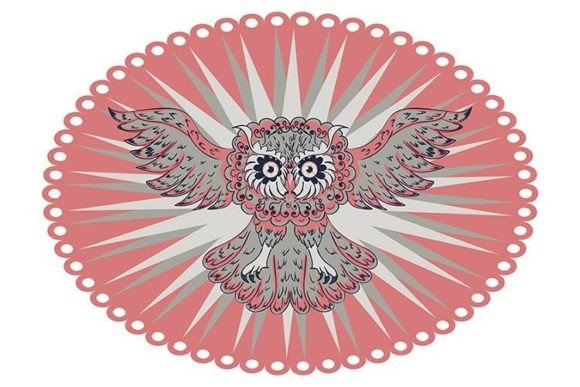
This specific collection represents more than just a download; it is a toolkit for creativity. It features four high-resolution JPG images and four fully editable EPS vector files, each showcasing a unique interpretation of the decorative graphic owl. Whether you are a seasoned brand identity designer looking for a logo mark or a DIY enthusiast crafting a custom wall mural, these assets provide the versatility needed to bring your vision to life.
Bridging Tradition and Modern Aesthetics
The appeal of the ornamental owl lies in its duality. Historically, owls have been associated with mystery, intelligence, and protection across various cultures. However, in modern design, we often strip away the literal realism to focus on form, pattern, and flow. This is where the abstract ornamental illustration comes into play.
By deconstructing the bird's silhouette and reimagining it through geometric shapes, floral patterns, or fluid lines, designers create something entirely new. The result is a decorative graphic owl that feels both timeless and current. It captures the essence of the bird—the sharp gaze, the rounded head, the majestic wings—without being bound by biological accuracy. This abstraction allows the image to adapt seamlessly to different contexts, making it a powerful tool for storytelling.
Consider how traditional ornamentation works. Think of Victorian lace, Islamic tile work, or Art Nouveau flourishes. These styles rely on repetition, symmetry, and intricate detail. When applied to an owl, these techniques transform a simple animal portrait into a complex tapestry of visual interest. The abstract approach takes this further, using negative space and bold contrasts to create a focal point that draws the eye immediately.
The Power of Vector Precision
One of the most critical aspects of this collection is the inclusion of four editable EPS vector files. In the world of professional design, raster images (like standard photos) can be limiting. They are made of pixels, which means if you scale them up too much, they become blurry and pixelated. Vectors, however, are built on mathematical equations. This ensures that your ornamental owl remains crisp and clean at any size, from a tiny favicon on a website to a massive billboard on a highway.
The editability of these files is a game-changer for workflow efficiency. With the source vectors, you aren't stuck with a static image. You can:
- Isolate Elements: Separate the eyes, wings, or body patterns to use as individual icons or design components.
- Recolor Instantly: Change the color palette to match your brand guidelines in seconds without losing quality.
- Modify Shapes: Adjust the curvature of the feathers or the complexity of the ornamental swirls to better fit your composition.
- Layer Management: Work with layers to add depth, shadows, or textures that weren't present in the original flat illustration.
High-Resolution Raster Assets for Immediate Use
While vectors offer infinite scalability, sometimes you need a ready-to-use image that requires no additional manipulation. That is where the four high-resolution JPG images come into play. These files are optimized for immediate deployment in digital and print environments where vector editing isn't feasible or necessary.
High resolution is non-negotiable when dealing with print media. A standard screen image might look fine on a monitor, but when printed on a brochure or a t-shirt, low-quality pixels will ruin the professional look. These JPGs are generated at a resolution sufficient for large-format printing, ensuring that every intricate line of the abstract ornamental illustration is captured with clarity. They are perfect for:
- Social Media Graphics: Creating engaging posts for Instagram or Pinterest where visual impact is key.
- Web Banners: Adding a touch of elegance to website headers without slowing down page load times.
- Product Mockups: Placing the design directly onto mugs, tote bags, or book covers to visualize the final product.
- Marketing Collateral: Including the decorative graphic owl in flyers, business cards, and letterheads.
Integrating the Ornamental Owl into Modern Projects
How do you actually use these assets? The beauty of the ornamental owl is its adaptability. It fits into a wide array of industries and project types, serving as a versatile anchor for your creative direction.
Brand Identity and Logo Design
For businesses seeking a unique identity, a stylized owl can convey wisdom, innovation, and a watchful eye over their craft. Tech startups might use a geometric, abstract version to suggest precision and forward-thinking. Meanwhile, boutique lifestyle brands might opt for a more floral, organic ornamentation to evoke nature and craftsmanship. Because the EPS files are editable, you can tweak the design to ensure it aligns perfectly with your brand's personality, creating a logo that is both memorable and legally distinct.
Interior Design and Wall Art
Home decor has seen a surge in demand for statement pieces that blend art and function. Large-scale prints of decorative graphic owls make stunning focal points in living rooms, studies, or nurseries. The abstract nature of these illustrations allows them to fit into mid-century modern, bohemian, or minimalist interiors alike. Imagine a large canvas print featuring the high-resolution JPG version of the owl, rendered in monochromatic tones or vibrant jewel colors. It adds texture and character to a room without overwhelming the space.
Fashion and Textile Printing
The fashion industry loves patterns, and the ornamental style is tailor-made for textiles. The intricate details of the abstract ornamental illustration translate beautifully onto fabric. Designers can use the vector files to create repeating patterns for scarves, shirts, or upholstery. The ability to edit the file means you can adjust the density of the pattern or the scale of the owl to suit different garment sizes and cuts.
Key Considerations Before You Start Designing
Before diving into your project, there are several factors to consider to ensure you get the most out of this asset pack. Understanding the technical and artistic requirements will save you time and prevent costly mistakes.
Color Harmony: Since the designs are ornamental, color plays a huge role. The abstract nature of the decorative graphic owl means it relies heavily on contrast to define its shape. When editing the EPS files, pay attention to the balance between the foreground subject and the background. Complementary colors can make the owl pop, while analogous colors can create a more subtle, harmonious look.
Scale and Context: An ornamental design is rich in detail. If you shrink the ornamental owl down too small, those intricate lines may disappear or blur together. Always test your design at the intended output size before finalizing. For very small applications, you might need to simplify the vector paths to maintain legibility.
Style Consistency: Ensure the chosen owl illustration matches the overall tone of your project. If you are designing a corporate annual report, a highly detailed, baroque-style owl might feel too whimsical. Conversely, a children's book would benefit from a softer, more playful abstraction. The variety in this collection—ranging from geometric to fluid—gives you the flexibility to find that perfect match.
Why Choose Editable Vectors Over Stock Photos?
In an era of stock photography, why invest in vector illustration packs? The answer lies in ownership and customization. A stock photo is static; you take it as it is. An editable vector file gives you control. You can turn a black-and-white outline into a full-color masterpiece. You can stretch it, rotate it, and integrate it into complex layouts without worrying about resolution loss.
Furthermore, the abstract ornamental illustration offers a level of uniqueness that generic stock photos cannot match. By modifying the vector files, you create a one-of-a-kind asset that sets your project apart from competitors who might be using the same generic images found online. This customization is essential for building a strong, recognizable brand identity.
Maximizing Your Creative Workflow
Working with these assets should feel intuitive, not burdensome. The combination of high-res JPGs and editable EPS files caters to every stage of the design process. You can start by exploring the JPGs to see the finished look, then switch to the EPS files to refine and customize the details. This dual-format approach streamlines your workflow, allowing you to move quickly from concept to execution.
Whether you are creating a custom wallpaper for a client's home, designing a logo for a new tech firm, or producing limited-edition merchandise, the decorative graphic owl serves as a robust foundation. Its blend of tradition and modernity ensures it remains relevant across trends, making it a smart investment for any creative professional.
Ultimately, the goal of design is communication. The ornamental owl, with its rich history and modern aesthetic, communicates wisdom, elegance, and sophistication. By leveraging the power of high-resolution imagery and flexible vector technology, you can harness this potential to create work that resonates deeply with your audience. Embrace the abstract, experiment with the ornamental, and let the owl guide your next great design.