Floral Ornament Badge Frames: Design & Application Guide
In a digital landscape saturated with generic icons and flat design trends, there is a distinct resurgence in the desire for texture, depth, and organic beauty. Floral Ornament Badge Frames represent more than just decorative borders; they are structural elements that can elevate a brand identity, define a product label, or add a touch of elegance to digital content. Whether you are a graphic designer refining a logo, a small business owner crafting packaging, or a blogger seeking unique visual accents, understanding how to leverage these vector assets can transform your creative output.
This guide explores the versatility of floral ornament badge frames, detailing their applications, technical advantages, and practical strategies for integration into modern design workflows.
The Appeal of Botanical Vector Art
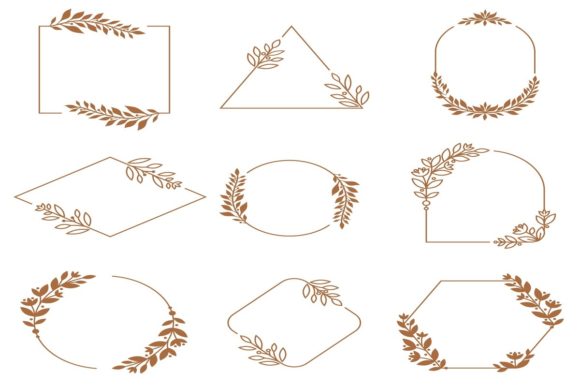
At their core, floral ornament badge frames combine two powerful design concepts: the circular or shield-like structure of a badge and the intricate, natural forms of botanical illustrations. Unlike rigid geometric shapes, flowers, leaves, and branches introduce softness, asymmetry, and narrative flow. This combination creates a sense of heritage and craftsmanship that resonates deeply with audiences who value authenticity and quality.
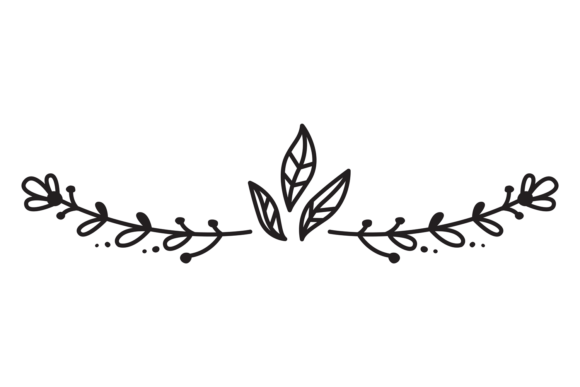
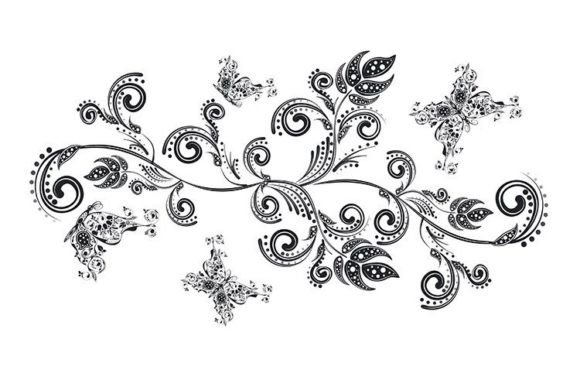
The term "minimalist decorative emblem frames" often refers to versions of these assets that strip away excessive detail while retaining the essential silhouette of the flora. These minimalist approaches are particularly effective in modern branding, where clarity and scalability are paramount. Conversely, "vintage botanical borders" offer rich, detailed line work that evokes a sense of history, suitable for artisanal products, wedding invitations, or premium packaging.
What makes these assets truly valuable is their format. As isolated vector signs, they allow for infinite scalability without loss of quality. A badge frame designed for a social media profile picture can be seamlessly expanded to cover a large-format print banner, maintaining crisp edges and precise curves throughout.
Creative Applications Across Industries
The utility of Floral Ornament Badge Frames extends far beyond simple decoration. Here is how various professionals can adapt these elements for specific goals:
- Branding and Logo Design: For businesses in the wellness, organic food, cosmetics, or lifestyle sectors, a floral badge can serve as the central anchor of a logo. The frame encapsulates the brand name, creating a cohesive and memorable mark. Minimalist frames work well for tech-adjacent wellness apps, while vintage borders suit traditional apothecaries or boutique florists.
- Packaging and Labeling: Small business owners selling candles, soaps, jams, or specialty teas can use these frames to create distinct labels. By placing the product name inside the frame and using the surrounding foliage to draw the eye, designers create a focal point that stands out on crowded shelves. The vector nature ensures that these designs can be printed at any size, from tiny jar labels to large display boxes.
- Digital Content and Social Media: Bloggers and influencers often struggle with creating consistent visual themes. Floral badge frames can be used as overlays for photos, as background elements for quote graphics, or as dividers between sections in long-form articles. Their isolated nature allows them to be easily recolored to match a specific palette, ensuring brand consistency across platforms like Instagram, Pinterest, and LinkedIn.
- Educational and Editorial Materials: Educators and publishers can use these frames to highlight key terms, create chapter headers, or design certificates. A vintage botanical border adds a layer of sophistication to educational materials, making learning resources feel more engaging and less sterile.
Technical Considerations for Designers
When working with vector assets, understanding the file structure is crucial for maximizing flexibility. The provided product files include one JPEG at 72ppi and one EPS10 file. While the JPEG offers a quick preview for immediate visual reference, the EPS10 file is the true powerhouse for professional application.
Why Vector Format Matters
Using an EPS10 file allows you to separate elements, remove unwanted components, and edit paths directly within vector editors like Adobe Illustrator. This capability is essential for customization. For instance, if a floral frame includes a rose but your brand prefers lavender, you can isolate the rose, delete it, and replace it with another vector element, all while maintaining the integrity of the remaining frame.
This level of control ensures that the final design is not just a stock image slapped onto a project, but a tailored asset that aligns perfectly with your brand guidelines. It also allows for color manipulation; you can change the stroke width, adjust the opacity, or apply gradients to create depth that raster images cannot replicate.
Isolation and Composition
The concept of "isolated vector signs" means each part of the design—each leaf, petal, and branch—is likely on its own layer or grouped logically. This isolation facilitates clean composition. Instead of wrestling with a complex, merged image, you can pick and choose which elements to include. This is particularly useful when adapting a dense vintage border for a minimalist context. You might keep only the outer vine and remove the inner cluster of flowers, resulting in a cleaner, more modern look.
Best Practices for Implementation
To ensure your use of Floral Ornament Badge Frames results in clear, effective, and audience-friendly designs, consider the following recommendations:
- Maintain Visual Hierarchy: The badge frame should support the content, not compete with it. Ensure that text placed inside the frame is legible. Use sufficient contrast between the text color and the background. If the floral details are intricate, simplify the typography to balance the complexity.
- Color Consistency: Adhere to a defined color palette. Using too many colors in a floral design can make it appear chaotic. Stick to two or three main colors, perhaps using a neutral tone for the foliage and a bold accent color for key flowers. This approach keeps the design organized and professional.
- Contextual Relevance: Choose the style that matches your message. Vintage botanical borders convey tradition, luxury, and timelessness. Minimalist frames suggest modernity, efficiency, and clarity. Aligning the aesthetic with your brand voice is critical for authentic communication.
- Scalability Testing: Always test your design at different sizes. What looks balanced on a desktop monitor may become cluttered when reduced to a favicon size. Use the vector capabilities to simplify details for smaller formats, ensuring readability and impact at every scale.
Conclusion
Floral Ornament Badge Frames offer a versatile toolkit for creators looking to add organic beauty and structural elegance to their projects. By leveraging the power of vector editing, designers can customize these elements to fit diverse needs, from minimalist web badges to intricate vintage labels. The key lies in thoughtful application: respecting the hierarchy, maintaining consistency, and choosing the right style for the intended audience. With these principles in mind, these ornamental assets become more than just decorations—they become integral components of effective, inspiring design.