Redefining Authority: The Strategic Role of Blank Royal Emblems with Crown in Contemporary Design
In the rapidly evolving landscape of visual communication, the intersection of historical symbolism and modern digital utility has never been more critical. For professionals, creators, and entrepreneurs navigating the complexities of brand identity, the demand for assets that convey immediate authority and prestige is higher than ever. Among these assets, the Blank Royal Emblem with Crown stands out not merely as a decorative element, but as a versatile foundation for sophisticated branding. This guide explores how this specific heraldic motif—available in high-fidelity formats like EPS, JPG, SVG, and transparent PNG—fits into current market trends, creative workflows, and consumer expectations.
Understanding the Asset: More Than Just Decoration
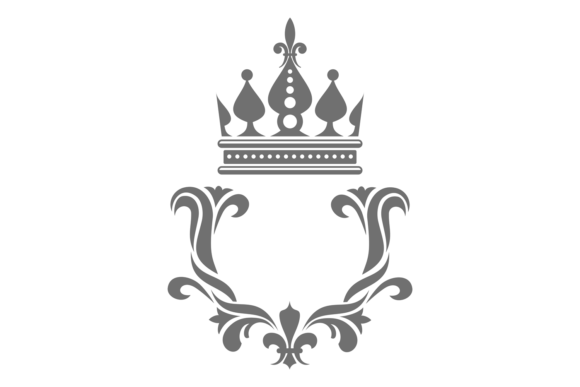
At its core, a blank royal emblem with crown serves as a structural placeholder for authority. Unlike pre-filled crests that dictate a specific lineage or fictional narrative, the "blank" aspect offers a unique advantage: adaptability. These designs typically feature intricate decorative heraldry badges isolated on a white background, providing a clean canvas upon which brands can imprint their own values, initials, or color palettes.
The inclusion of the crown element is deliberate. Historically, crowns signify sovereignty, excellence, and top-tier status. In the digital age, where attention spans are short and trust is hard-won, visual cues that subconsciously signal quality can provide a significant competitive edge. Whether used by luxury goods manufacturers, educational institutions, or premium service providers, this emblem type bridges the gap between traditional craftsmanship and modern minimalism.
The Shift Toward Heritage and Authenticity
Consumer behavior is undergoing a subtle but profound shift. In an era dominated by ephemeral digital content and AI-generated imagery, there is a growing appetite for authenticity, heritage, and tangible quality. This trend, often referred to as "neo-traditionalism," sees consumers gravitating toward brands that appear established, trustworthy, and enduring.
This is where the blank royal emblem becomes strategically relevant. By utilizing a design rooted in centuries-old heraldic traditions, businesses can borrow the perceived stability and prestige associated with those traditions without the burden of creating a symbol from scratch. It allows a startup to project the maturity of a legacy brand, or it allows an existing enterprise to refresh its image with a touch of classical elegance. The isolation of the badge on a white background further enhances this effect, ensuring that the focus remains entirely on the symbol’s inherent dignity and structure.
Technical Versatility in Modern Workflows
For designers and developers, the format in which a graphic asset is delivered is just as important as its aesthetic appeal. The availability of the Blank Royal Emblem with Crown in multiple file types—specifically EPS, JPG, SVG, and transparent PNG—addresses the diverse needs of contemporary creative workflows.
- Scalability with SVG: Scalable Vector Graphics (SVG) allow the emblem to be resized infinitely without loss of quality. This is crucial for responsive web design, where a logo must look crisp on a mobile screen just as it does on a large billboard. The intricate details of the heraldry remain sharp, preserving the premium feel of the design.
- Print Precision with EPS: For physical marketing materials such as business cards, letterheads, and packaging, Encapsulated PostScript (EPS) files ensure that the vector data is preserved. This is essential for high-end printing processes where color accuracy and line definition are paramount.
- Web Integration with Transparent PNG: The transparent PNG format allows the emblem to be overlaid onto any background without a bounding box. This flexibility is vital for social media graphics, website headers, and app icons, where the design must integrate seamlessly with various UI elements.
- Quick Prototyping with JPG: While less flexible for editing, JPEG files offer quick load times and universal compatibility, making them ideal for initial presentations and low-resolution digital mockups.
Customization as a Competitive Advantage
One of the most compelling aspects of using a blank emblem is the opportunity for deep customization. Because the central area is empty, it invites the user to insert their own narrative. This could be a monogram representing the founder’s initials, a geometric shape reflecting the company’s core product, or a specific iconographic element related to the industry.
Consider a fintech company aiming to establish trust in a crowded market. By placing a secure, stylized lock icon within the blank space of a royal emblem, they visually communicate both security and supremacy. Alternatively, a boutique consultancy might use the same emblem but fill the center with elegant typography to emphasize human expertise and personalized service. The base design provides the frame; the brand provides the soul.
Bridging Technology and Tradition
As technology advances, particularly with the rise of augmented reality (AR) and virtual environments, the need for 3D-ready and highly scalable 2D assets increases. The vector nature of many blank royal emblems ensures they are future-proof. They can be easily adapted for AR filters, NFT collections, or metaverse avatars, allowing brands to maintain a consistent visual language across both physical and digital realms.
Practical Applications Across Industries
The versatility of the decorative heraldry badge means it transcends traditional sectors. Here is how different industries are leveraging this asset:
- Luxury Retail: High-end fashion and accessory brands use these emblems to denote limited editions or exclusive lines. The crown signifies rarity, while the blank space allows for seasonal customization.
- Education and Academia: Universities and private schools often adopt heraldic styles to evoke a sense of history and academic rigor. A blank emblem allows them to incorporate their specific mottos or founding dates.
- Professional Services: Law firms, architectural practices, and financial advisors use these badges to project reliability and experience. The visual weight of the crown suggests that the client is in capable, authoritative hands.
- Content Creation: Influencers and podcasters use simplified versions of these emblems as watermarking tools or channel icons, instantly elevating the perceived production value of their content.
Conclusion: Investing in Visual Trust
In conclusion, the Blank Royal Emblem with Crown is far more than a static graphic; it is a strategic tool for building brand equity. It taps into deep-seated human associations with royalty, quality, and tradition, while offering the technical flexibility required by modern digital ecosystems. For professionals and entrepreneurs looking to differentiate their brand in a saturated market, investing in high-quality, customizable heraldic assets is a practical step toward establishing long-term credibility.
By understanding the nuances of file formats, the psychology of design, and the broader cultural shift toward authenticity, creators can leverage these emblems to tell powerful stories. Whether through a sleek SVG on a website or a crisp EPS print on a business card, the blank royal emblem remains a timeless yet adaptable solution for those who wish to lead rather than follow.
As you consider your next branding initiative, remember that the right visual foundation can speak volumes before a single word is read. Explore the potential of blank royal emblems to elevate your identity, ensuring that your brand commands the respect and attention it deserves in an increasingly visual world.