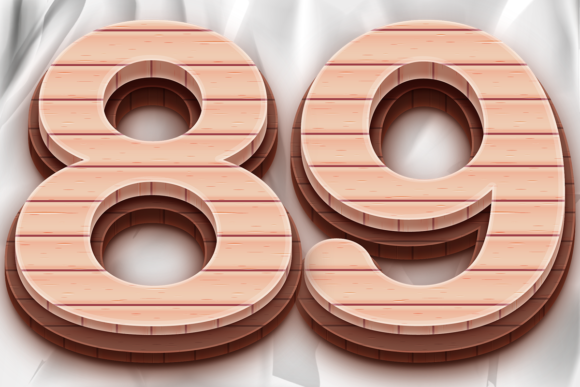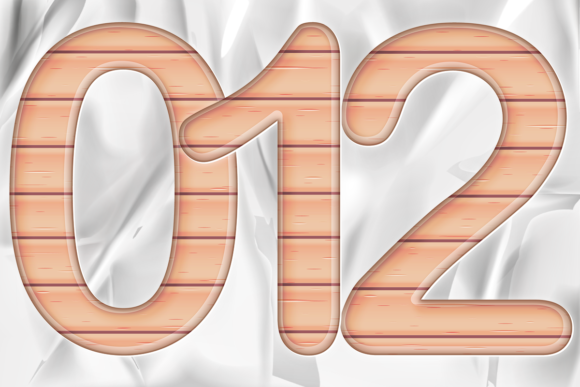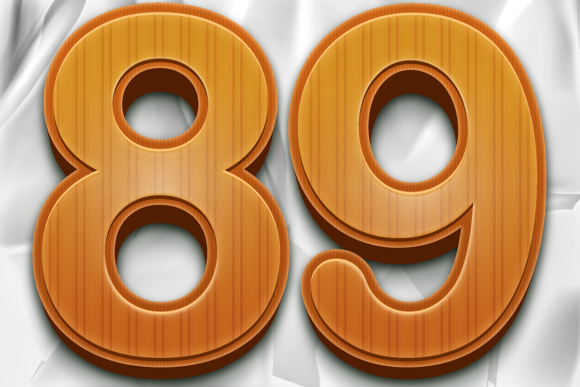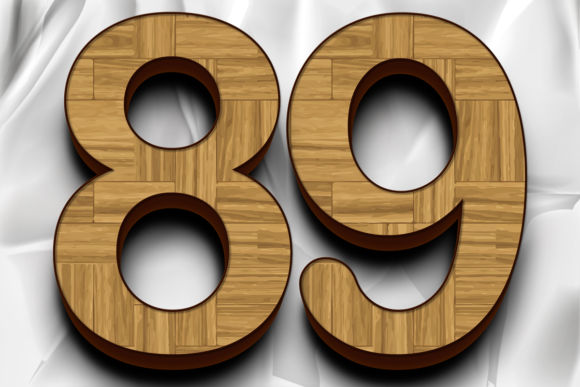
Texture Wood Numbers PNG Images Design
When you are looking to add a touch of rustic charm or organic warmth to your digital projects, Texture Wood Numbers PNG Images Design offers a compelling solution. This specific set is not merely a collection of generic digits; it is a curated suite of ten distinct graphic elements, ranging from number 0 through number 9. The appeal lies in the intricate detailing that mimics natural wood grain, providing depth and character that flat colors simply cannot achieve. Whether you are designing a wedding invitation, creating a brand logo for a craft business, or building an educational resource for children, having high-quality vector assets can significantly elevate the final presentation.
However, simply downloading a file labeled "PNG" does not guarantee that your project will succeed. Many creators overlook the technical nuances of file formats, software compatibility, and design intent. Understanding the specifics of this particular asset pack—especially its origin in Adobe Illustrator CC 2017—is crucial for ensuring you get the most out of your purchase. Below, we break down what makes these designs valuable, common pitfalls to avoid, and how to integrate them effectively into your workflow.
Understanding the Asset Composition
The core value of this design set comes from its versatility across multiple file extensions. You are not limited to a single format. The download package typically includes three critical file types:
- PNG File: These are raster images with transparent backgrounds. They are ready-to-use for web design, social media graphics, and quick mockups where vector editing is not required.
- EPS File: Encapsulated PostScript files allow for scalable vector graphics. This means you can resize the numbers to billboard size without losing quality, making them ideal for print materials like banners or packaging.
- AI File: As the native format for Adobe Illustrator, these files provide full editability. You can alter paths, adjust colors, and modify the wood texture details directly within the software.
By offering all three, the designer ensures that both beginners who just need to drag-and-drop an image and advanced professionals who need to tweak the bezier curves have everything they need. However, the inclusion of the AI file comes with a specific caveat regarding software versions that many users ignore at their own risk.
Software Compatibility and Versioning
The source code for these vector designs was created using Adobe Illustrator CC 2017. While modern software is generally backward compatible to a degree, relying on outdated knowledge can lead to frustration. If you are using a version older than CC 2017, such as CS6 or earlier, you may encounter errors when opening the AI or EPS files. Features introduced after 2017 might not render correctly, potentially flattening layers or breaking complex gradients.
On the other hand, if you are using a higher version, such as Illustrator CC 2018, 2020, or the latest Creative Cloud releases, you will face no problems. In fact, newer versions often handle legacy files more efficiently. The recommendation here is simple: ensure your software environment matches or exceeds the creation date of the asset. If you do not have access to Adobe Illustrator, do not despair. The included PNG and EPS files are fully functional for use in other platforms like Photoshop, Canva, or CorelDRAW, provided you understand the limitations of raster vs. vector editing.
Common Mistakes in Using Wood Texture Assets
Even with high-quality assets, poor execution can ruin a design. Here are some frequent errors designers make when incorporating textured numbers into their work, along with practical advice on how to correct them.
Misjudging Scale and Resolution
A common mistake is treating a PNG file as if it were infinitely scalable. Because PNGs are raster-based, they have a fixed pixel dimension. If you attempt to stretch a small PNG number to fit a large poster, the edges will become jagged and blurry, destroying the realistic wood effect. Always check the resolution of the PNG before starting your project. For large-format prints, rely on the EPS or AI files to maintain crispness. For digital screens, ensure the PNG is exported at least at 150 DPI, preferably 300 DPI for high-definition displays.
Neglecting Color Harmony
Wood textures come in various tones, from pale birch to dark walnut. A frequent oversight is placing a light-colored wood number over a similarly light background, causing the design to disappear. Conversely, pairing a dark oak texture with a black background creates a muddy, low-contrast result. Before applying the numbers, assess the overall color palette of your project. Use the transparency feature in your design software to preview how the number interacts with the background. If the contrast is insufficient, consider adding a subtle drop shadow or adjusting the brightness/contrast of the number itself to make it pop.
Ignoring the Grain Direction
One detail that separates amateur designs from professional ones is attention to consistency. Real wood has a grain direction. If you are using multiple numbers (e.g., "2024") or combining numbers with other wooden elements, ensure the grain flows logically. If one number has vertical grain and the next has horizontal grain, the result can look disjointed and artificial. When editing the AI files, you can rotate or skew the texture layers to align the grain, creating a cohesive visual narrative.
Practical Applications and Best Practices
Once you have navigated the technical setup and avoided common pitfalls, you can leverage these Texture Wood Numbers PNG Images Design assets in numerous ways. Here are a few realistic examples of how to apply them effectively:
- Event Branding: For weddings, birthdays, or anniversaries, wood textures evoke a sense of timelessness and nature. Use the numbers to highlight the date on invitations or signage. The transparent PNG allows you to overlay the numbers onto photos of venues or floral arrangements seamlessly.
- Small Business Logos: Entrepreneurs in the artisanal, organic, or handmade sectors often seek logos that reflect craftsmanship. Incorporating these numbers into a logo provides a tactile feel that resonates with customers who value authenticity.
- Educational Materials: Teachers and educators can use these numbers for printable worksheets or classroom decorations. The durability of the vector EPS files ensures that printed copies remain clear even after multiple uses.
- Social Media Content: Marketers can create engaging posts by combining these numbers with seasonal themes. For example, using autumn-themed colors alongside the wood texture for Thanksgiving promotions creates a unified aesthetic.
Evaluating Your Choice Before Downloading
Before committing to any digital asset, take a moment to evaluate your specific needs. Ask yourself if you require editable vectors or if static images suffice. If you plan to reuse the numbers extensively across different mediums, investing in a pack that includes AI and EPS files is wise. If you only need a quick graphic for a one-time blog post, the PNGs may be sufficient.
Additionally, verify the licensing terms. Ensure that the commercial use policy aligns with your intended application. Some designers restrict usage to personal projects only, while others allow unlimited commercial distribution. Clear understanding of these terms prevents legal issues down the line.
In conclusion, Texture Wood Numbers PNG Images Design is a versatile and aesthetically pleasing resource for a wide range of creative endeavors. By understanding the file formats, respecting software version requirements, and avoiding common design mistakes, you can harness the full potential of these assets. Whether you are a seasoned graphic designer or a hobbyist creating your first banner, this set provides the tools necessary to produce polished, professional-looking results with a natural, warm aesthetic.