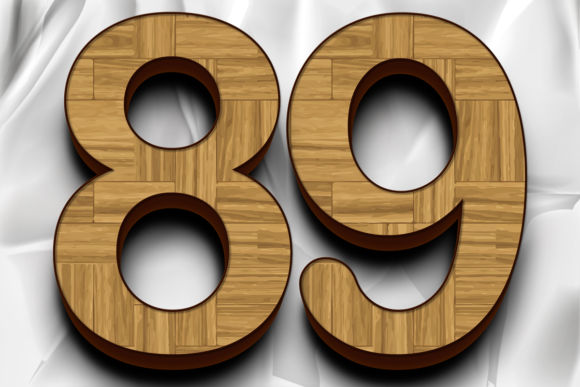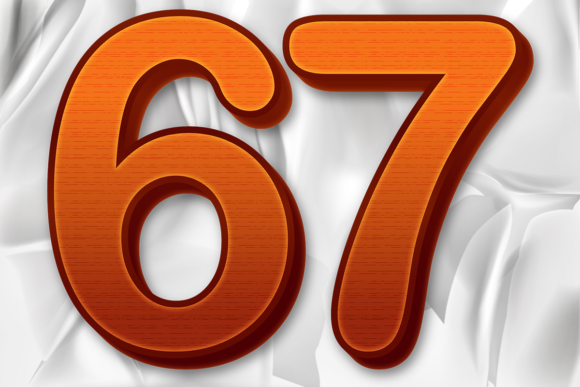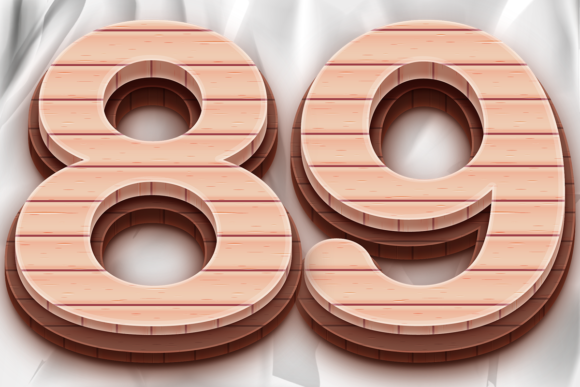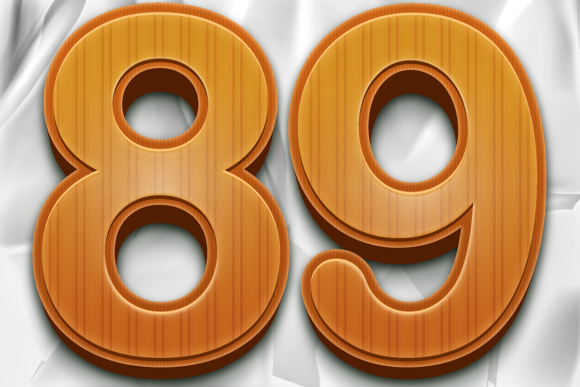
Wood Texture Numbers PNG Graphic Design
In the world of visual communication, typography is more than just conveying a message; it is about setting a mood. When you need to display numbers—whether for a price tag, a countdown timer, or a rustic-themed invitation—the choice of font and texture plays a critical role in how that information is perceived. This is where Wood Texture Numbers PNG Graphic Design becomes an essential asset for creators looking to add warmth, authenticity, and organic character to their digital projects.
Unlike standard geometric fonts that feel sterile or corporate, wood-textured numerals bring a tactile quality to screen-based designs. They evoke feelings of craftsmanship, nature, and reliability. For designers, marketers, and small business owners, understanding the technical and aesthetic value of these assets can significantly elevate the professionalism and appeal of their work. Below, we explore what this design set entails, why file format matters, and how different professionals can leverage these resources effectively.
What Are Wood Texture Numbers?
At its core, a wood texture number design is a digital representation of a numeral that has been processed to mimic the grain, knots, and color variations of natural timber. These are not merely colored shapes; they are layered compositions that simulate depth and materiality. The specific set described here includes ten distinct pieces, ranging from number 0 to number 9, ensuring you have a complete toolkit for any numerical requirement.
The visual appeal lies in the detail. A high-quality wood texture captures the subtle imperfections of real wood—the swirling grain patterns, the slight variations in brown hues, and the rough edges that suggest hand-carving. When applied to numbers, these elements transform abstract digits into tangible objects. This is particularly effective in branding for businesses rooted in sustainability, outdoor activities, artisanal crafts, or home decor, where the connection to nature is a key selling point.
Why File Format Matters: PNG vs. EPS vs. AI
One of the most significant advantages of this particular graphic design resource is its versatility across multiple file formats. In graphic design, the file extension often dictates how flexible and scalable your asset will be. Understanding the differences between PNG, EPS, and AI files is crucial for maximizing the utility of your purchase.
- PNG (Portable Network Graphics): The included PNG files feature a transparent background. This is ideal for quick applications where you need to overlay the numbers onto existing images, websites, or social media posts without worrying about white boxes around your digits. It is the most user-friendly format for beginners who may not have advanced editing software.
- EPS (Encapsulated PostScript): As a vector format, EPS allows for infinite scalability without loss of quality. If you need to print these numbers on a massive billboard or shrink them down to fit on a tiny product label, the EPS file ensures crisp edges and clear textures. This is vital for professional print workflows.
- AI (Adobe Illustrator): The AI file provides the native source code for the design. For experienced users, this offers the highest level of control. You can edit individual paths, adjust colors, modify the wood grain effect, or combine these numbers with other vector elements seamlessly.
By providing all three formats, this design set caters to a wide spectrum of technical proficiency. Whether you are dragging and dropping an image into Canva or manually adjusting anchor points in Adobe Illustrator, you have the right tool for the job.
Software Compatibility and Workflow
A common concern for designers is software compatibility. The vector components of this design were created using Adobe Illustrator CC 2017. While this might seem like a specific constraint, modern software ecosystems are designed to handle backward compatibility gracefully. If you are using Adobe Illustrator CC 2018, CC 2019, or even the latest Creative Cloud versions, you will encounter no issues opening or editing these files. Higher versions typically include improved rendering engines and additional tools that can enhance your workflow rather than hinder it.
However, it is worth noting that if you are using older, non-Adobe software or free alternatives like Inkscape, you may need to export the EPS or AI files into a compatible vector format first. For those strictly working within the Adobe ecosystem, the transition is seamless. This consideration highlights the importance of knowing your software environment before starting a project. Professionals who rely on specific legacy systems should verify compatibility, while those with updated subscriptions can take full advantage of the editable layers provided in the AI file.
Practical Applications Across Different Audiences
The utility of wood texture numbers extends far beyond simple decoration. Different groups of people find unique value in these assets based on their specific goals and skill levels.
For Small Business Owners and Entrepreneurs
If you run a boutique shop, a bakery, or a handmade jewelry brand, consistency in branding is key. Using wood-textured numbers on your packaging, website headers, or promotional flyers creates a cohesive visual identity. For example, a farmer’s market stall owner could use these numbers to display prices in a way that feels authentic and grounded, reinforcing the "farm-to-table" narrative. The transparency of the PNG files makes it easy to place these numbers over photos of products without complex masking techniques.
For Educators and Content Creators
Educators designing worksheets or presentations often struggle to make learning materials engaging. Standard clip art can look cheap or dated. Wood texture numbers offer a sophisticated yet approachable aesthetic for educational content, particularly in subjects related to nature, history, or practical math skills. Bloggers and YouTubers can use these assets as overlays for thumbnails or video intros to create a distinctive, rustic brand vibe that stands out in crowded feeds.
For Freelancers and Professional Designers
Professional designers value efficiency and customization. The availability of the AI and EPS files means they can integrate these numbers into larger composite designs. They might deconstruct the wood texture to extract color palettes for a broader project or use the vector paths to create custom lettering effects. The ability to scale the vectors ensures that client deliverables meet high-resolution printing standards, reducing the risk of pixelation complaints. For freelancers, offering clients assets in multiple formats adds perceived value to their service.
For Hobbyists and DIY Enthusiasts
Not everyone has access to expensive software suites. For hobbyists who enjoy digital scrapbooking, card making, or simple web design, the PNG files are a goldmine. They provide instant access to high-quality graphics without the learning curve of vector editing. A parent creating a birthday invitation for a child’s fifth birthday can easily download the number '5', place it on a background, and share it via email. The ease of use lowers the barrier to entry for creative expression.
Evaluating Quality and Long-Term Usefulness
When selecting digital assets, long-term usefulness is a priority. Trends in graphic design shift rapidly, but rustic and natural aesthetics have remained consistently popular due to their timeless appeal. Unlike neon or cyberpunk styles that may date quickly, wood textures tend to age well because they reference natural materials that do not go out of style.
Furthermore, the inclusion of a full set from 0 to 9 ensures completeness. You do not need to hunt for missing digits when designing a year marker like '2024' or a phone number. This saves time and maintains visual consistency across your projects. The quality of the texture itself is also a deciding factor. Low-quality textures can look muddy or repetitive. High-fidelity wood grains, however, add realism that draws the viewer’s eye and encourages engagement.
Conclusion
Wood Texture Numbers PNG Graphic Design represent a blend of aesthetic charm and technical flexibility. By offering PNG, EPS, and AI files, this resource supports users at every stage of their design journey, from casual hobbyists to seasoned professionals. Whether you are enhancing a brand’s visual identity, creating educational materials, or simply adding a touch of warmth to a personal project, these numbers provide a reliable and versatile solution. Understanding the strengths of each file type and aligning them with your specific needs will help you make the most of this valuable design asset.