The Art of Ceramic Cookware and Kitchen Utensils: A Guide to Functional Design
In the modern kitchen, the line between a purely functional workspace and a creative studio has become increasingly blurred. For general consumers, professional chefs, and digital creators alike, the tools we use daily define our experience. Among these essentials, Ceramic Cookware and Kitchen Utensils stand out not just for their utility, but for their ability to elevate the aesthetic of any culinary environment. Whether you are plating a gourmet meal or searching for vector illustrations to design a new brand identity, understanding the unique characteristics of ceramic materials is essential.
This guide explores the versatility of ceramic items, ranging from handmade dishes and teapots to trendy decorative tools. We will examine how these items serve both practical cooking needs and artistic expression, offering insights into why they remain a staple in households and creative projects worldwide.
Understanding the Material: Beyond the Basics
When discussing Ceramic Cookware, one must look past the simple definition of "baked clay." Modern ceramics encompass a wide array of materials, including stoneware, porcelain, and earthenware, each offering distinct properties. The primary appeal lies in the material's natural thermal retention and its non-reactive surface. Unlike metal cookware that can leach flavors or react with acidic ingredients like tomatoes or citrus, high-quality ceramic surfaces provide a neutral canvas that allows the true taste of food to shine through.
For the home cook, this means safer cooking and easier cleanup. The smooth glaze found on most ceramic pieces prevents food from sticking, reducing the need for excessive oils or fats. Furthermore, the durability of modern ceramics makes them suitable for various heat sources, though it is always wise to check manufacturer guidelines regarding oven safety and thermal shock.
The Rise of Handmade Dishes and Customization
One of the most significant trends in recent years is the resurgence of handmade dishes. In an era dominated by mass production, the imperfections and unique textures of handcrafted ceramics offer a sense of warmth and authenticity. Each bowl, plate, and mug carries the subtle fingerprint of the artisan who created it. This uniqueness is particularly valued by business owners in the hospitality industry who wish to create a memorable dining atmosphere.
Handmade items often feature:
- Unique Glazes: Variations in color and texture that cannot be replicated by machines.
- Ergonomic Shapes: Designs crafted specifically for comfort and ease of use.
- Sustainable Origins: Many artisans prioritize eco-friendly clays and firing processes.
These characteristics make handmade ceramics not just tools, but conversation starters that enhance the dining experience.
Functional Aesthetics: Trendy Decorative Tools
The concept of Kitchen Utensils has evolved. No longer limited to simple spatulas and ladles, the category now includes trendy decorative tools designed to bridge the gap between functionality and art. These items are often used for plating, where the presentation of food is as important as the flavor itself.
A well-chosen utensil can transform a standard dish into a visual masterpiece. Consider a ceramic pitcher with a sculptural handle or a set of mugs featuring intricate patterns. These items serve a dual purpose: they are practical vessels for serving beverages and decorative elements that reflect the personality of the homeowner or the brand of a café.
Applications in Professional Settings
For professionals in the culinary arts, the selection of ceramic tools is critical. Chefs often rely on specific types of bowls and plates to manage temperature control and portioning. Ceramic plates, for instance, are excellent for keeping food warm during service without retaining the metallic taste often associated with stainless steel.
Moreover, the durability of ceramic cookware makes it ideal for high-volume environments. While glass can shatter under impact and thin metals can warp, quality stoneware withstands the rigors of commercial kitchens. When paired with matching kitchen utensils, such as wooden spoons or silicone spatulas, the entire setup becomes a cohesive system designed for efficiency and style.
Digital Integration: Vector Illustrations and Design
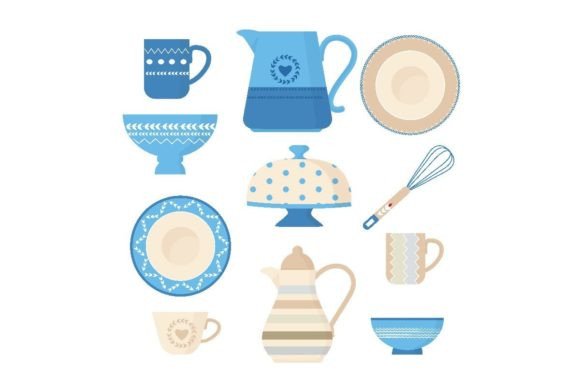
The influence of ceramic culture extends beyond the physical world into the realm of digital design. The request for vector illustrations of household items like pitchers, teacups, patterned mugs, and jugs highlights the enduring popularity of these forms. Designers, web developers, and graphic artists frequently seek clean, scalable representations of ceramic cookware and utensils to enhance user interfaces, packaging, and marketing materials.
Why are these illustrations so valuable?
- Scalability: Vector formats (such as .EPS) allow images to be resized without losing quality, making them perfect for everything from mobile app icons to large billboard advertisements.
- Customization: Digital assets can be easily recolored or modified to match specific brand guidelines while maintaining the structural integrity of the original design.
- Clarity: High-quality vectors capture the essence of complex shapes, like the curve of a teapot spout or the pattern on a decorative bowl, ensuring clarity across all media.
For businesses looking to sell ceramic products online, having a library of accurate vector illustrations is crucial. It allows customers to visualize the product in various contexts, from a cozy morning coffee scene to a formal dinner party setting. The inclusion of detailed elements—such as the rim of a cup or the handle of a jug—adds a layer of realism that static photographs sometimes lack.
Evaluating Suitability: Strengths and Limitations
While ceramic cookware and utensils offer numerous benefits, it is important to approach their adoption with realistic expectations. Understanding the strengths and limitations ensures that users get the most value from their investment.
Key Strengths
The primary advantage of ceramic is its chemical stability. It does not absorb odors or stains, making it ideal for storing spices, sauces, and leftovers. Additionally, the thermal mass of thick-walled ceramic pots allows for slow, even cooking, which is perfect for braising meats or simmering soups. For those interested in teapots and cups, ceramic retains heat effectively, keeping tea hot for longer periods compared to thinner materials.
Considerations and Limitations
However, ceramic is not without its drawbacks. The most significant concern is fragility. Despite advancements in manufacturing, ceramic remains susceptible to chipping and cracking if dropped or subjected to sudden temperature changes. Users should avoid placing cold ceramic dishes directly into a hot oven or vice versa unless the item is specifically rated for thermal shock resistance.
Another consideration is weight. Compared to aluminum or plastic, ceramic items are heavier. This can be a disadvantage for individuals with limited mobility or for those who prefer lightweight gear for outdoor camping. Furthermore, while many ceramic items are dishwasher safe, hand washing is often recommended to preserve the vibrancy of hand-painted patterns and glazes over time.
Practical Scenarios and Real-World Applications
To better understand the value of Ceramic Cookware and Kitchen Utensils, let us look at a few real-world scenarios.
Scenario 1: The Home Chef
Sarah wants to upgrade her kitchen. She invests in a set of ceramic baking dishes and a collection of handmade bowls. Her goal is to prepare healthy meals with minimal oil. The non-stick nature of the ceramic allows her to bake vegetables perfectly without burning, while the aesthetic appeal of the bowls encourages her family to eat together more often.
Scenario 2: The Small Business Owner
James owns a boutique coffee shop. He chooses ceramic mugs and jugs with unique patterns to differentiate his brand from chain competitors. By using these items, he creates a tactile experience for his customers, associating the warmth of the ceramic with the quality of his coffee. He also uses vector illustrations of his signature mug in his social media campaigns, ensuring consistent branding across digital platforms.
Scenario 3: The Digital Creator
Elena is a graphic designer working on a campaign for a kitchenware brand. She utilizes a ZIP folder containing .EPS files of various ceramic items, including pitchers, teacups, and patterned plates. These vector assets allow her to quickly mock up different ad concepts, testing various layouts and color schemes before finalizing the campaign. The flexibility of the vector format saves her hours of manual tracing and editing.
Making the Right Choice for Your Needs
Whether you are a consumer looking to refresh your kitchen, a professional seeking reliable tools, or a creator needing high-quality assets, the key lies in evaluating your specific requirements. Ask yourself: Do I need durability for heavy use, or is aesthetics my priority? Do I require items that are oven-safe, or will they primarily be used for serving?
For those interested in collecting trendy decorative tools, consider the balance between form and function. A beautiful pitcher is wonderful, but does it pour without dripping? A stunning teapot is lovely, but is the handle comfortable to hold? Similarly, when sourcing vector illustrations, ensure that the level of detail matches your intended use. A low-resolution image might suffice for a blog post, but a high-fidelity .EPS file is necessary for print advertising.
Conclusion
Ceramic Cookware and Kitchen Utensils represent a harmonious blend of tradition and innovation. From the tactile joy of holding a handmade bowl to the precision of digital vector illustrations, these items play a vital role in our daily lives. They enhance our culinary experiences, support our creative endeavors, and add a touch of elegance to our homes and businesses.
By understanding the properties, applications, and limitations of ceramic materials, users can make informed decisions that align with their goals. Whether you are plating a meal, brewing a pot of tea, or designing a new logo, the right ceramic tool can make all the difference. Embrace the versatility of these timeless objects and discover how they can transform your kitchen and your creative projects.