The Art of Holiday Expression: Mastering Christmas Greeting Card Design with Decorative Tree Motifs
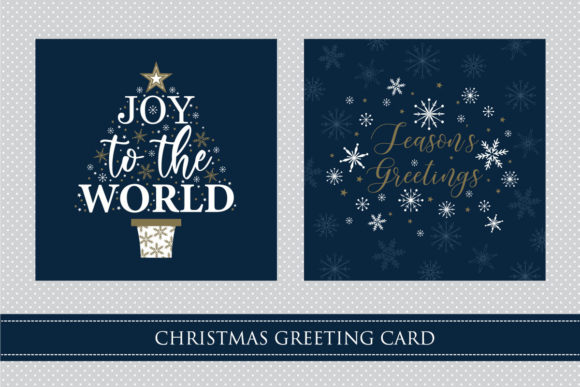
In an era dominated by instant messaging and social media blasts, the physical Christmas greeting card remains a potent symbol of connection, warmth, and personal effort. While digital notifications are fleeting, a tangible card placed on a doorstep or slipped into a mailbox carries a weight of sentiment that technology cannot replicate. At the heart of this tradition lies the visual language of design, where elements like the decorative christmas tree design serve not just as decoration, but as a universal shorthand for holiday cheer. Understanding how to craft these cards—whether through professional software or hand-drawn sketches—allows individuals and businesses alike to communicate more effectively during the most wonderful time of the year.
Why Physical Cards Still Matter in a Digital World
To appreciate the value of Christmas greeting card design, one must first understand its psychological impact. Research in communication psychology suggests that tactile media triggers different emotional responses than screen-based media. When a recipient holds a card, they engage multiple senses: the texture of the paper, the scent of ink, and the visual composition. This multi-sensory experience creates a stronger memory anchor compared to a text message.
For small business owners, marketing teams, and creative professionals, this distinction is crucial. A well-designed card is not merely a "nice to have"; it is a strategic touchpoint. It signals that the sender took time to curate a specific aesthetic, which translates to perceived care and attention to detail. In a crowded inbox, a beautifully designed card stands out because it requires physical effort to deliver, making the gesture feel exclusive and intentional.
The Symbolism of the Christmas Tree in Card Design
Among the myriad symbols associated with the holidays—the snowflake, the reindeer, the candy cane—the decorative christmas tree design is perhaps the most versatile and enduring. Its significance stems from its historical roots as a symbol of life and renewal amidst the winter solstice. However, in modern graphic design, the tree has evolved into a flexible canvas for artistic expression.
Variations in Tree Imagery
When designers incorporate a tree into a card, they are rarely just drawing a pine branch. They are utilizing a framework that can be adapted to various styles:
- Minimalist Line Art: Using thin, continuous lines to suggest the shape of a tree. This style appeals to modern, Scandinavian-inspired aesthetics and works well for corporate or contemporary audiences.
- Data-Driven Trees: A growing trend involves using data visualization techniques to create tree shapes, where branches represent statistics or achievements. This is particularly popular in annual reports or business-to-business (B2B) communications.
- Ornate and Baroque: Rich colors, gold foil accents, and intricate patterns fill the space around the tree, evoking a sense of luxury and traditional opulence.
- Kids’ Illustration Style: Bright, chunky shapes and playful fonts make the tree approachable and fun, ideal for family-oriented brands or school newsletters.
By choosing a specific interpretation of the decorative christmas tree design, a designer can subtly convey the tone of the message before the recipient even reads the text inside.
Key Principles of Effective Card Design
Creating a compelling card requires balancing aesthetics with functionality. Whether you are using Adobe Illustrator, Canva, or watercolors, several core principles apply to ensure your design resonates with the audience.
1. Hierarchy and Focus
The eye needs guidance. In a card featuring a prominent decorative christmas tree design, the tree should either be the focal point or the supporting frame, but never both competing for attention simultaneously. If the tree is highly detailed, the typography should be clean and unobtrusive. Conversely, if the message is the priority, the tree should be simplified to background elements or subtle textures.
2. Color Psychology
Color sets the mood. Traditional reds and greens evoke nostalgia and familiarity. However, modern palettes often experiment with navy blues, metallic silvers, or warm earth tones to differentiate from the standard holiday fare. The choice of color palette should align with the brand identity or the personal style of the sender. For instance, a tech startup might opt for cool blues and electric greens to signal innovation, while a bakery might choose warm browns and creams to suggest comfort.
3. Typography as Decoration
Typeface selection is critical. Serif fonts often convey tradition and elegance, pairing well with classic tree illustrations. Sans-serif fonts suggest modernity and clarity, suitable for minimalist designs. Script fonts add a personal, handwritten touch, enhancing the feeling of intimacy. A common mistake is overcrowding the design with too many font styles; sticking to two complementary typefaces usually yields the most professional result.
Practical Applications Across Sectors
The application of thoughtful Christmas greeting card design extends far beyond personal use. Let’s explore how different sectors leverage these designs to achieve specific goals.
Business and Corporate Communication
For corporations, holiday cards are a tool for relationship maintenance. They remind clients and partners of the company’s presence without the pressure of a sales pitch. A sophisticated card featuring a geometric decorative christmas tree design can reinforce a brand’s commitment to structure and precision. It serves as a non-intrusive way to say, "We value our partnership," strengthening loyalty during a season when other marketing noise is high.
Education and Non-Profits
Schools and charitable organizations use cards to share their annual impact stories. Here, the design must balance emotion with information. An illustrated tree might be used to visualize growth—for example, each ornament on the tree could represent a student helped or a community project completed. This transforms the decorative christmas tree design from a mere image into a narrative device that educates the donor base about their contributions.
Creative Industries
Designers, photographers, and artists often send cards as portfolios. These cards showcase technical skill. High-quality printing, embossing, and unique die-cuts demonstrate craftsmanship. For these professionals, the card is a direct reflection of their capabilities. A flaw in the design or print quality can undermine their credibility, highlighting the importance of meticulous attention to detail.
Common Misconceptions About Holiday Card Design
Despite its simplicity, there are several myths surrounding the creation of holiday cards that can hinder effective communication.
Misconception 1: More Ornamentation Equals Better Design.
Many beginners believe that a card must be cluttered with glitter, stickers, and complex graphics to look festive. In reality, white space is a powerful design element. It allows the viewer’s eye to rest and emphasizes the key message. A clean, well-composed card with ample breathing room often appears more expensive and thoughtful than a chaotic, over-decorated one.
Misconception 2: Stock Images Are Always Inferior.
While custom illustration is ideal, high-quality stock photography or vector assets can be excellent tools if used correctly. The key is customization. Simply dropping a generic tree image onto a blank template looks lazy. However, adjusting the colors, adding custom typography, or combining multiple stock elements creatively can result in a unique and professional final product.
Misconception 3: Digital Cards Replace Physical Ones Entirely.
Digital cards are convenient and eco-friendly, but they lack the permanence of physical media. A physical card can be displayed on a desk, pinned to a fridge, or kept in a memory box. The longevity of the object adds to its sentimental value. Therefore, the best strategy is often a hybrid approach: using digital cards for wide-scale announcements and physical cards for close friends, family, and key business contacts.
Building Your Design Strategy
To create impactful Christmas greeting card design projects, start by defining your objective. Who is the audience? What emotion do you want to evoke? Once the goal is clear, select a theme that supports it. If you are aiming for warmth, consider soft textures and warm lighting in your tree design. If you aim for excitement, use bold contrasts and dynamic angles.
Experiment with different materials as well. The choice of paper—recycled, matte, glossy, or textured—adds another layer of meaning. Recycled paper aligns with eco-conscious values, while thick, heavy cardstock conveys premium quality. The tactile experience completes the design journey, ensuring that the decorative christmas tree design is not just seen, but felt.
Conclusion
The art of Christmas greeting card design is a blend of tradition, psychology, and visual communication. By understanding the symbolic power of elements like the decorative christmas tree design, creators can craft messages that resonate deeply with recipients. Whether for personal connection or professional branding, a thoughtfully designed card cuts through the digital noise to deliver a human touch. As we move forward, the integration of sustainable practices and personalized digital enhancements will continue to evolve, but the core purpose remains unchanged: to celebrate our connections and spread joy during the holiday season.